By Editor
Recent developments within the New Nigeria Peoples Party have brought into sharp relief a deeper question who truly betrayed whom?
The Federal Capital Territory High Court’s ruling affirming the leadership structure aligned with party founder Boniface Aniebonam has given legal clarity to the party’s internal crisis.
Yet beyond the courtroom, a political and moral debate demands closer scrutiny.
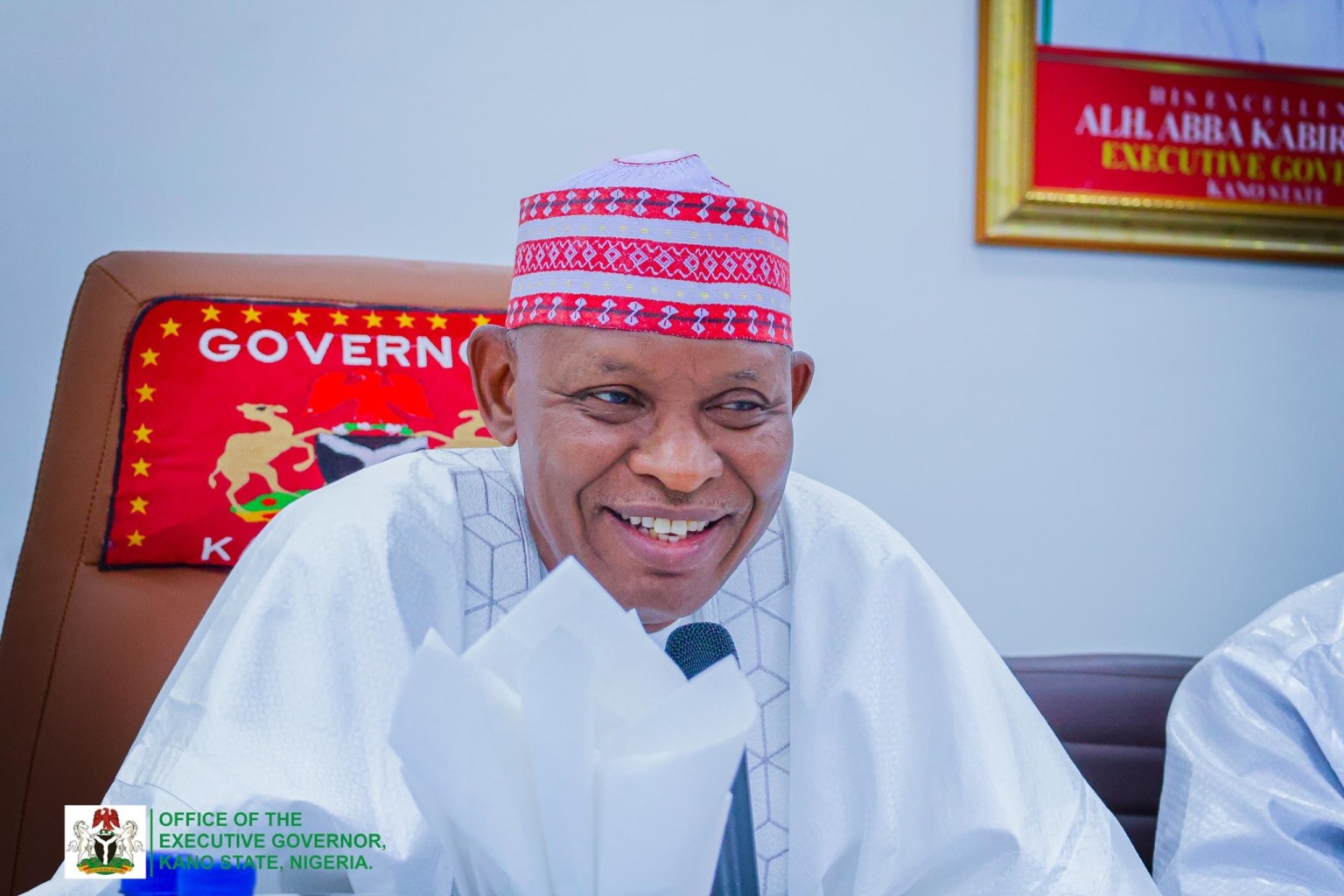
For months, accusations of betrayal have been leveled against H.E Engr. Abba Kabir Yusuf. But a closer examination of unfolding events suggests a different story one that challenges the simplicity of that claim.
Interestingly, at a time when many voices across the North have been calling for stronger engagement from key political figures on issues of insecurity, there is now a noticeable shift in tone.
Conversations that were once muted are gradually finding expression. Perhaps this is how change often begins not from a single voice, but from a growing chorus that refuses to stay silent.
When Sen. Rabiu Musa Kwankwaso and his faction joined the NNPP in 2022, it was under a mutual understanding formalized or not that respected the party’s foundational leadership.
This agreement implied a delicate balance between influence and ownership.
Since then, however, decisions and maneuvers by the Kwankwaso bloc have increasingly blurred that line, edging from influence into control.
The question arises: were the party’s true custodians being sidelined?
In this context, the court ruling is more than a legal victory it is a symbolic affirmation of rightful authority.
For a sitting governor, the stakes extend far beyond party politics.
Gov. Abba Kabir Yusuf’s mandate was freely given by the people of Kano through the ballot, not negotiated behind closed doors. Any internal turbulence threatening that mandate becomes a matter of political survival, not personal loyalty.
Viewed this way, the governor’s actions are less about REBELLION and more about PRESERVATION a deliberate effort to safeguard the electoral will from internal conflicts.
This raises a difficult but necessary question:
Can a leader be accused of betrayal when he acts to protect the mandate of the people from forces within his own political structure?
Perhaps the story unfolding is not simple betrayal, but conflicting loyalties between allegiance to AN INDIVIDUAL and RESPONSIBILITY to the ELECTORATE.
With the court’s endorsement of the Aniebonam-led faction, the narrative subtly shifts: what some call betrayal may in fact be a reassertion of legitimacy.
Ultimately, history judges political conflicts not by the accusations shouted in the moment, but by whose actions preserved the will of the people.
Nworisa Michael is the coordinator of Inter-tribe Community Support Forum -ICSF and writes from nworisamichael1917@gmail.com