There are moments in governance when leadership is not judged merely by rhetoric, but by the ability to read the political environment and make decisions that position a state for opportunity. In a country like Nigeria, where the dynamics between states and the Federal Government often shape access to national initiatives, such decisions carry weight.
Kano has always been more than just a state it is a commercial nerve centre, a hub of enterprise, and a critical player in the economic life of Northern Nigeria. Its relevance has never been in doubt. What often changes, however, is how that relevance is activated within the broader national framework.
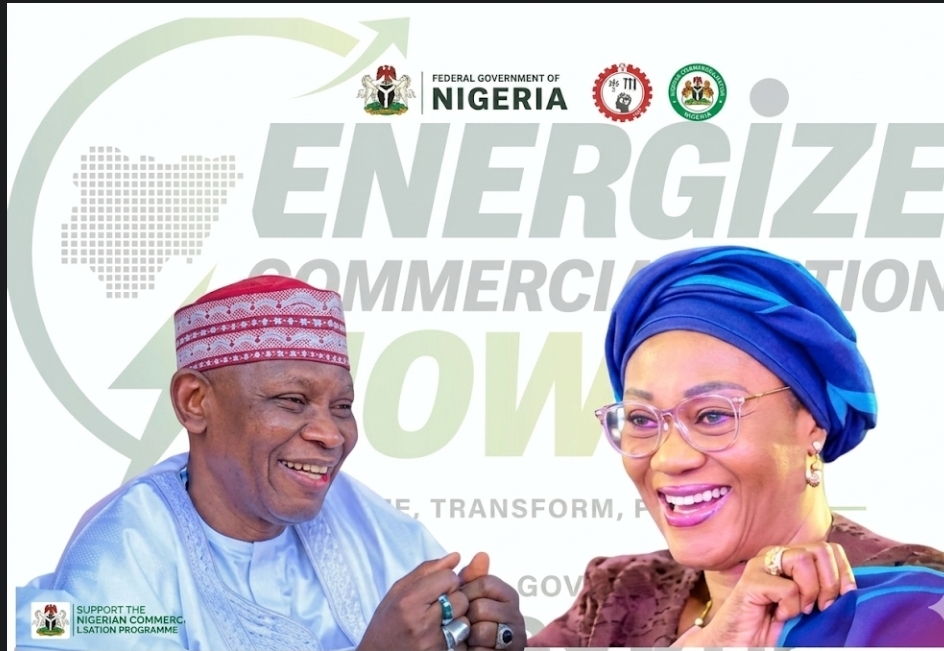
The hosting of the Energise Commercialisation Now (ECoN) national launch and North-West deployment in Kano is not just a routine government event. It is a strategic moment that reflects a shift one that places the state at the centre of a national conversation on innovation, industrialisation, and economic growth.
With the presence of the First Lady of Nigeria, Senator Oluremi Tinubu, alongside key federal actors, investors, and regional stakeholders, Kano is once again positioned as a focal point for opportunity.
This kind of convergence does not happen by chance. It is often the result of deliberate engagement, alignment, and the willingness to create working relationships that benefit the state.
Under the leadership of Governor Abba Kabir Yusuf, there appears to be a growing recognition of this reality. Governance, especially in a complex political system, sometimes requires decisions that go beyond sentiment and into strategy. The ability to align where necessary not as surrender, but as positioning can open doors that would otherwise remain closed.
Ideally, every state in a democracy should enjoy equal access to federal presence and opportunities, regardless of political differences.
Development should not be selective. But experience has shown that the practical workings of governance often follow a different path one influenced by cooperation, relationships, and mutual engagement.
Within that reality, what matters most is outcome.
The ECoN initiative brings with it more than visibility. It creates a platform for innovators, entrepreneurs, and institutions within Kano and the wider North-West to connect with investment, refine ideas, and move toward commercial viability. For a state with deep entrepreneurial roots, this is not just symbolic it is a gateway to economic expansion.
This is where leadership becomes evident not just in speeches, but in results. The ability to attract attention, host national initiatives, and position a state within key economic conversations is, in itself, a form of governance impact.
The real test, of course, will always be how these opportunities translate into tangible benefits for the people jobs, stronger industries, and a more vibrant local economy. But moments like this signal possibility, and in governance, positioning for possibility is often the first step toward delivery.
As Kano takes centre stage in this national initiative, one thing becomes clear: when a commercial nerve centre aligns with the centre of power, the outcomes are not accidental they are, more often than not, the result of calculated leadership.
Nworisa Michael is the coordinator of Inter-tribe Community Support Forum and writes from nworisamichael1917@gmail.com