By Editor
In Nigerian politics, especially in the North, there exists a troubling culture where certain political figures are treated like sacred cows leaders who must not be questioned, whose decisions must not be examined, and whose silence must not be interpreted. Yet democracy thrives not on blind loyalty but on honest reflection. No leader, no matter how admired or influential, should exist above reasonable public scrutiny, particularly when the issues at stake concern the safety and survival of millions.
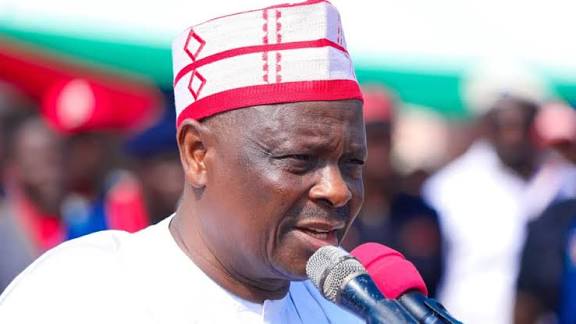
Not long ago, a phrase “World Betrayal Day” entered political conversation during the tensions surrounding shifting political loyalties. Interestingly, the phrase itself was not widely trending in the public space before it was mentioned by Rabiu Musa Kwankwaso. For many observers, that moment was actually the first time they heard of it. In other words, what may have started as a passing remark somewhere suddenly gained national attention the moment it was elevated by a major political figure.
That moment revealed something powerful:
how much influence a leader’s voice carries. When a leader notices something, it becomes relevant. When they amplify it, it spreads.
But today, Northern Nigeria faces something far more serious than political betrayal. Across the region, communities are battling relentless attacks from bandits and terrorists. Villages are emptied, farmers abandon their land, and families mourn loved ones lost to violence.
The cry from many communities is simple and painful: the North is bleeding.
At times like this, citizens naturally look to influential voices to speak, to amplify the urgency, and to demand stronger national attention. Leadership is not measured only by political strength; it is also measured by moral presence when people suffer.
Some national figures have used their platforms to draw attention to the worsening insecurity.
For instance, former Vice President Atiku Abubakar yesterday condemned the attack on a military base and an Internally Displaced Persons camp in Ngoshe, Borno State, describing the incident as deeply troubling and calling for greater urgency in addressing the crisis.
Moments like these inevitably raise a reflective question among citizens.
If a relatively small political remark could attract attention and be elevated into national discourse, should the widespread suffering across Northern communities not command even greater urgency from those whose voices carry immense influence?
This is not about hostility. It is not about rivalry. It is about leadership reflection.
Because in moments like this, the question many ordinary citizens quietly ask is simple:
If “World Betrayal Day” could be heard, why does the cry that #NorthIsBleeding not echo just as loudly?
Is the North being betrayed?
Nworisa Michael is the coordinator of Inter-tribe Community Support Forum and writes from nworisamichael1917@gmail.com