By Editor
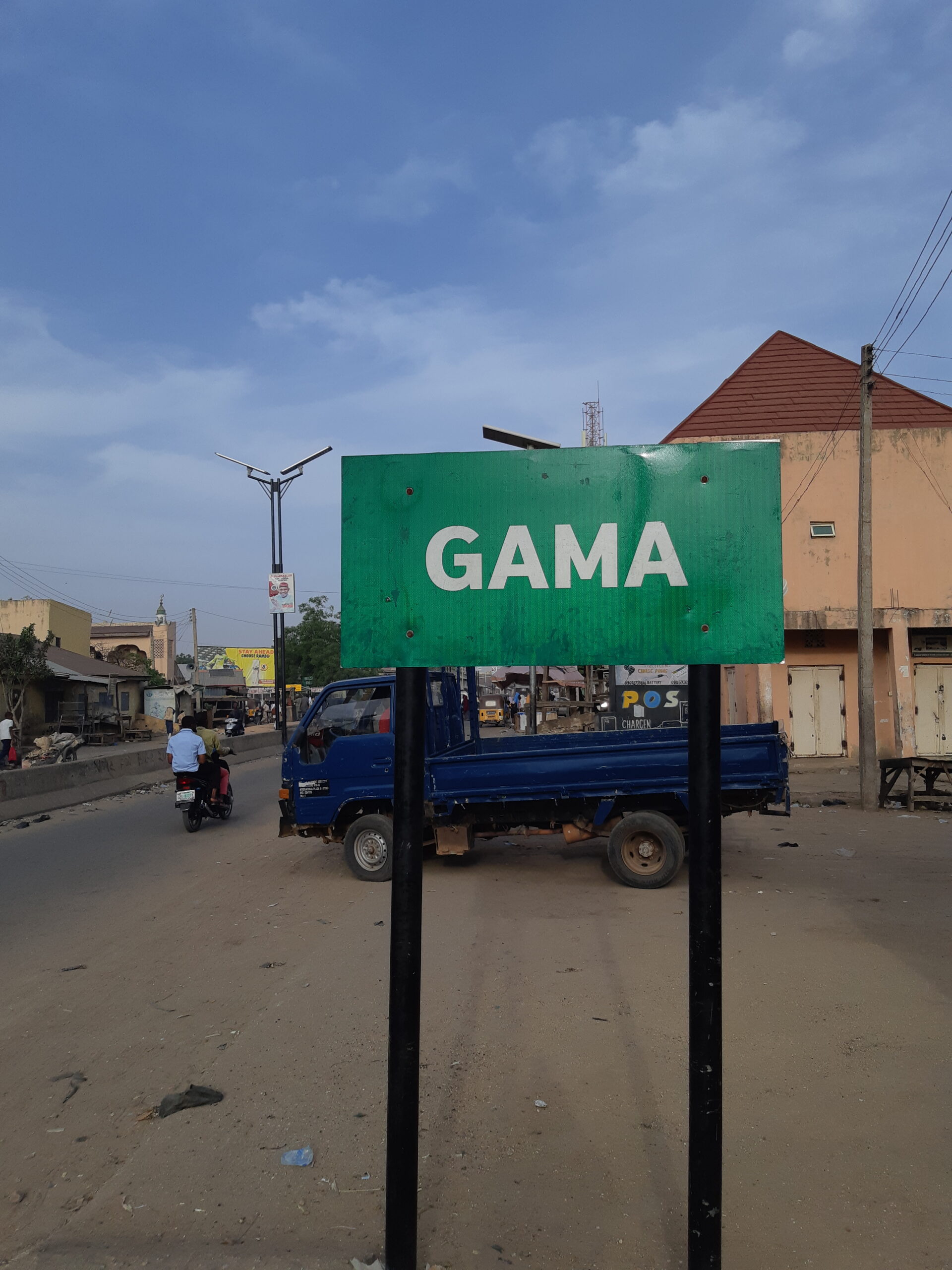
There are moments in our political history that refuse to fade, not because they are constantly discussed, but because they quietly shape how present actions are judged. “Gama” is one of those moments. It is more than a word it is a memory, a symbol of a time when a single action at a critical point altered the course of an outcome many still believe could have been different.
Today, the political space is once again filled with loud accusations and moral posturing. Words like betrayal are being thrown around with confidence, and alliances are being judged in absolute terms. Some are quick to label others as enemies, to question loyalty, and to define what is acceptable and what is not. But this is where the contradiction begins.
Because the same voices that speak strongly about betrayal today have, at different points, been part of actions that fit the very definition they now condemn. You cannot raise the banner of loyalty while overlooking moments where internal structures were altered in ways that raised questions about ownership, control, and direction. When a movement’s logo is reshaped without clear consensus, when foundational elements are changed in ways that disconnect from its origins, it becomes difficult to ignore the question: if that is not betrayal, then what is? The issue becomes even more complex when we consider the shifting nature of alliances. It is one thing to criticize an opponent; it is another to later accommodate individuals whose past actions were once publicly challenged.
When those who were once associated with controversial electoral moments find acceptance within the same space that once criticized them, it raises a deeper concern not about politics, but about consistency.
This is where leadership comes into focus. Because leadership is not just about what is said it is about what is practiced. When a leader condemns certain actions but later embraces similar patterns under different circumstances, it sends mixed signals to followers. It creates a situation where principles become flexible, where positions change depending on convenience, and where the line between right and wrong becomes blurred. And followers learn from this. They internalize these contradictions. They defend today what they condemned yesterday, not because the situation has changed, but because the position of their leader has shifted. Over time, this erodes credibility not just of individuals, but of the entire movement.
This is why the memory of “Gama” remains relevant. Not as an attack, but as a reference point. A reminder that political actions have consequences, and that consistency is the only thing that gives legitimacy to criticism. If betrayal is to be called out, it must be called out everywhere not only where it is convenient. If alliances are to be questioned, then all alliances must be subjected to the same scrutiny. Anything less is not principle; it is preference. And that is the real challenge before us. Not just to point out inconsistencies, but to confront them honestly. Not just to criticize others, but to apply the same standards within. Because until that happens, every accusation will carry a shadow of contradiction.
In the end, the question remains: What exactly is being led, if the message changes with the moment? Because a movement that cannot define its own principles will always struggle to defend them. And sometimes, all it takes to expose that struggle is to remember a single word Gama.
Nworisa Michael is the coordinator of Inter-tribe Community Support Forum and writes from nworisamichael1917@gmail.com