By Editor
When Silence Speaks: A Moment for Reflection in Northern Leadership
At critical moments in history, leadership is not only measured by position held or influence commanded it is measured by timing.
There are seasons when words are routine, and there are seasons when words carry weight. Northern Nigeria is presently in one of those seasons. Communities are grieving. Families are displaced.
Conversations in homes, mosques, markets, and online spaces revolve around one central question: who is speaking for us?
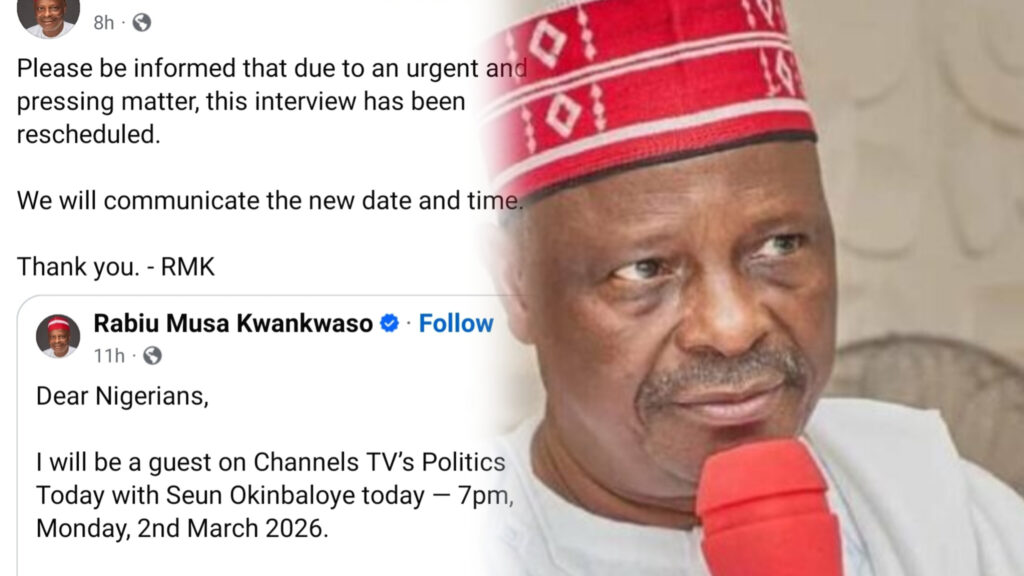
National television platforms are not just media appearances; they are opportunities to shape national consciousness. They are moments when narratives are clarified, fears are addressed, and leadership reassures its people that they are seen and heard.
So when a scheduled appearance is postponed due to an “urgent and pressing matter,” it is natural for citizens to wonder: what urgency surpasses the urgency of lives being lost? What pressing matter outweighs the pressing cries of affected communities.
This is not an accusation. It is a reflection.
Leadership, especially in times of insecurity, carries a moral responsibility beyond political alignment. It demands visibility. It demands clarity. It demands presence not only physical, but vocal.
Northern Nigeria has produced some of the most influential political figures in the country. With influence comes expectation. With expectation comes accountability not hostility, but responsibility.
Supporters of any political leader often defend strategy, caution, or timing. And sometimes, strategy is indeed necessary. But strategy must never be mistaken for silence when a region seeks reassurance. The masses do not analyze political chessboards; they respond to voice, presence, and consistency.
There is a difference between political calculation and moral urgency.
In moments like these, people do not ask who controls the narrative.
They ask who carries their pain. They ask who will use national platforms to demand answers, call for solutions, and amplify their fears and hopes.
When opportunities to speak arise especially on platforms with nationwide reach they are more than interviews; they are moments of leadership symbolism.
Perhaps there was truly an urgent matter. Perhaps it was unavoidable. But the larger question remains for all leaders, not just one:
When history records this season of insecurity, will it remember a generation of leaders who spoke boldly when it mattered most or one that calculated carefully while communities waited?
The North does not need division. It needs direction. It does not need rivalry. It needs representation. It does not need noise. It needs voice.
And in times like this, voice is leadership.
Nworisa Michael is the coordinator, Inter-tribe Community Support Forum and writes from nworisamichael1917@gmail.com