Lagos State is set to begin commercial operations of its first state-licensed Independent Power Producers (IPPs) between 2026 and early 2027, marking a major step in Nigeria’s power sector reform and decentralised electricity framework.
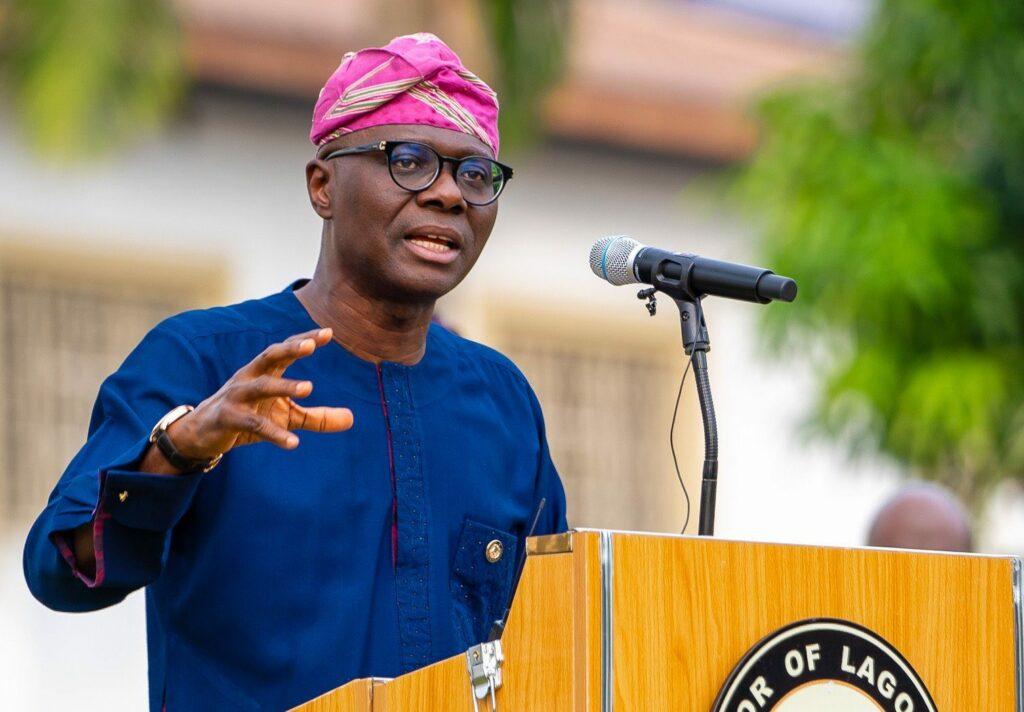
Governor Babajide Sanwo-Olu disclosed this during the BusinessDay Energy Conference 2026, themed “Beyond the Grid: How States Can Rewrite Nigeria’s Power Story.” He described the development as evidence that subnational electricity markets are moving from policy discussions to practical implementation following the enactment of the Electricity Act 2023.
Represented by the Commissioner for Energy and Mineral Resources, Biodun Ogunleye, the governor said the upcoming power plants would operate under Lagos State’s newly established electricity market structure, making them the first major outcome of the Lagos State Electricity Law 2024.
He explained that the projects are strategically designed to serve high-demand areas such as industrial clusters and critical infrastructure.
“We expect the first state-licensed independent power producer to begin commercial operations between 2026 and early 2027,” he said.
The development follows Lagos’ successful transition from federal to state-level electricity regulation in 2025, making it the first state in Nigeria to fully take control of its electricity market.
As part of the reforms, Lagos recently signed Power Purchase Agreements (PPAs) and concession arrangements with three independent power producers to increase electricity generation capacity to between 200MW and 400MW over the next few years.
The agreements were formalised at Lagos House, Marina, involving Mainland Power Limited, Fenchurch Power Limited in partnership with Aggregate Utilities Limited, and Viathan Engineering Limited.
Governor Sanwo-Olu said the agreements are focused on delivering practical solutions to residents and businesses.
“This agreement is about the people and how quickly we can solve problems. We must keep our promises on both sides. When people benefit, life becomes easier. This marks the beginning of the reforms we are driving in the energy sector,” he said.
He stressed that reliable electricity remains central to economic growth, describing power supply as the “oxygen of development” and a critical factor for industrialisation, healthcare delivery, and modern urban systems.
According to him, Lagos spends an estimated $2.7 billion annually on self-generation, a burden that could be redirected into productive investment if stable electricity supply is achieved.
Sanwo-Olu noted that if the reforms are fully implemented, reliable power could significantly boost economic output and potentially double the size of the Lagos economy over time.
While acknowledging challenges in regulation, financing, and coordination, he insisted that the focus should now shift from legislation to implementation.
“The question is no longer whether states have the authority. It is whether they have the will to act,” he said.
With the first state-licensed IPP now on the horizon, Lagos is positioning itself to reshape Nigeria’s electricity landscape and set the pace for other states to follow.