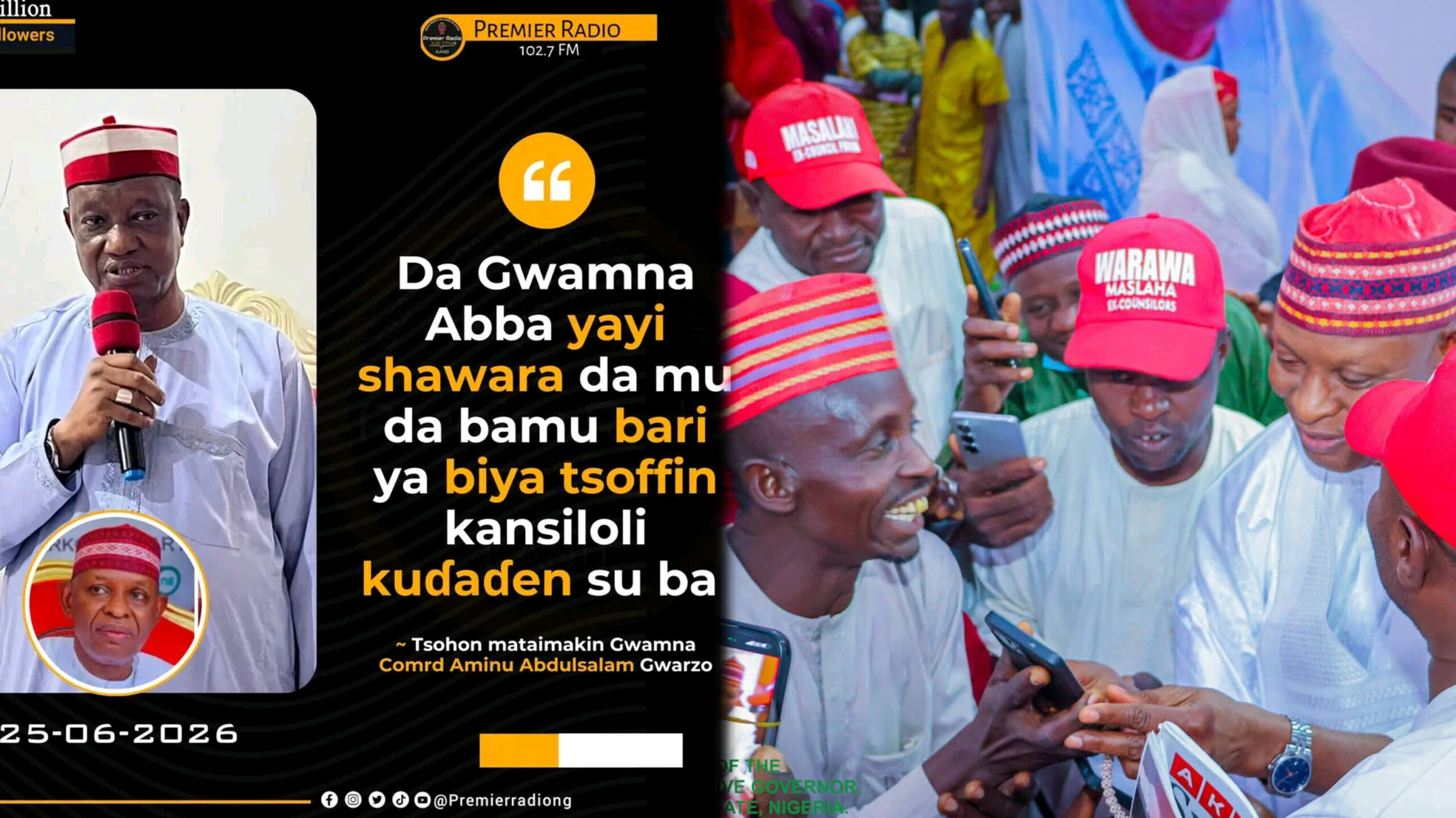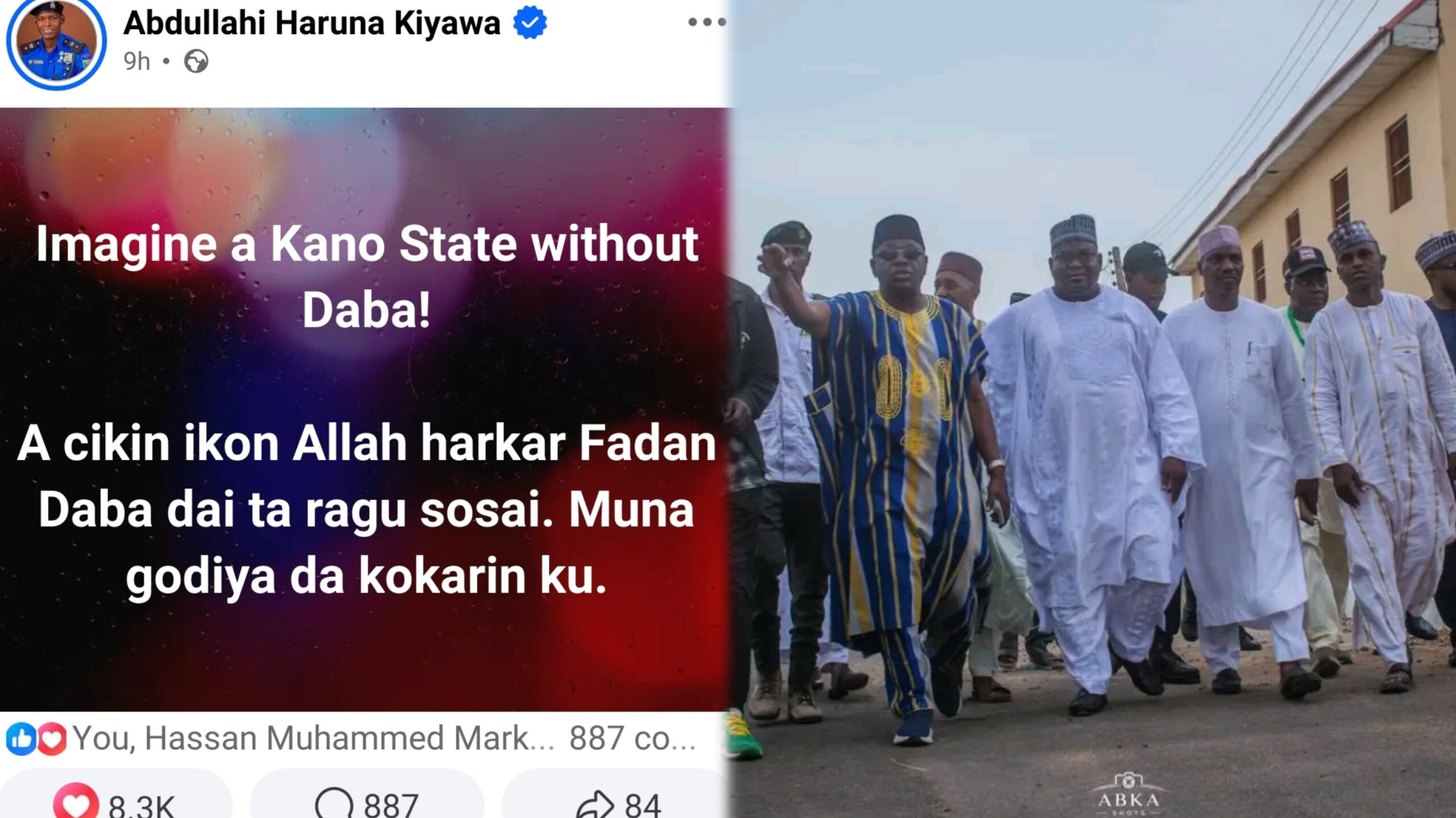
Politics has a way of revealing not only who people are but the kind of government they would become if entrusted with power. Recently, comments credited to Comrade Aminu Abdulsalam Gwarzo suggested that if Governor Abba Kabir Yusuf had consulted him before approving the payment of entitlements owed to former councillors, he would have advised against it. Everyone is entitled to an opinion, and differences in political philosophy are healthy in a democracy. Yet I must admit that hearing those words left me reflecting deeply.
Perhaps it is because I remember the faces. I remember the photographs and videos that circulated after those payments were made. I remember the smiles that had returned to faces that had almost forgotten what it felt like to smile over government promises. I remember the relief, the gratitude and the laughter of men and women who had spent years waiting for what was rightfully theirs. Some of them were retirees who had given the best years of their lives in service to Kano State. Some were pensioners who had spent months and years wondering whether government had forgotten them. Some were former political appointees and former councillors whose entitlements remained outstanding long after they had left office.
What struck me most was that these obligations were not created by the present administration. Governor Abba Kabir Yusuf inherited them. He could have easily said, “It was not our government that incurred these debts.” He could have pointed to those who came before him and moved on. Many administrations across the country have done exactly that. Instead, he chose a different path. He chose to pay. He chose continuity of government over continuity of excuses. He chose to treat those obligations not as somebody else’s burden but as the responsibility of the state he was elected to govern.
For many of the beneficiaries, the payments were not luxury money or political favours. They were hospital bills waiting to be settled, school fees waiting to be paid, debts waiting to be cleared and families waiting for relief. To some, it was the difference between anxiety and peace of mind. To others, it was government finally saying, “We have not forgotten you.”
That is why I still struggle to reconcile those memories with the suggestion that the payments should not have happened. I recall the faces I saw in those images and videos. The smiles, the laughter and the visible relief on people who felt abandoned for years suddenly returning home with hope renewed. To think that someone looking at those same moments would arrive at a different conclusion still feels almost unreal to me. Perhaps leadership is not only about balancing numbers on paper but also about understanding the human stories behind those numbers.
This raises a bigger question about leadership itself. What exactly is government for? Is government merely an institution that manages budgets and projects, or is it also an institution that carries the hopes, burdens and responsibilities of its people? A government does not inherit only offices, vehicles and official residences from previous administrations. It also inherits obligations, promises and people. The retired worker does not care which administration incurred the debt. The pensioner waiting for gratuity does not ask which governor signed the original papers. The former councillor waiting for his entitlement does not concern himself with party colours and political alignments. They simply want fairness. They simply want government to remember them.
Perhaps this is the real choice before Kano. It is not merely a contest between political parties or personalities. It is a choice between different philosophies of leadership. One sees inherited obligations and asks, “Why should we pay for what we did not create?” The other sees those same obligations and says, “These are our people and their burden is now our burden.” One sees figures on paper while the other sees fathers, mothers, grandparents and families behind those figures.
There are leaders who govern with an iron fist and there are leaders who govern with compassion. There are leaders who see inherited responsibilities as unnecessary burdens and there are leaders who understand that government is a continuous institution whose commitments do not disappear with elections. Neither philosophy is hidden from the people. Both are now before Kano to examine carefully.
As citizens prepare for the future, perhaps the question we should ask ourselves is simple. When our own turn comes to be forgotten, owed or left behind by circumstances beyond our control, what kind of government would we want standing before us? One that says, “It was not our debt,” or one that says, “You are our people and your burden is our responsibility.”
Ultimately, the answer belongs not to politicians but to the people of Kano. Elections do not merely determine who occupies office. They determine the values that govern us, the priorities that guide us and the kind of heart we choose to place in Government House.
Nworisa Michael is the coordinator of Inter-tribe Community Support Forum and writes from nworisamichael1917@gmail.com