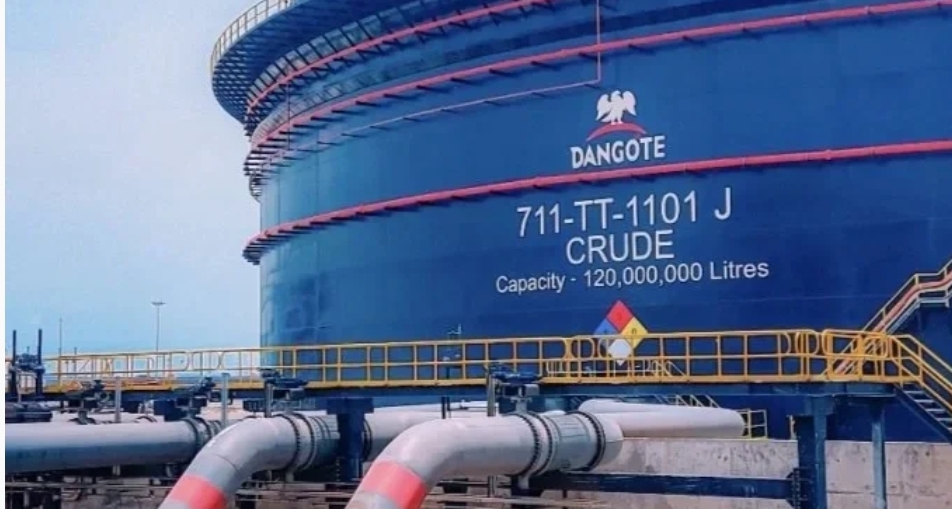
Fresh controversy has emerged in Nigeria’s downstream petroleum sector as Dangote Petroleum Refinery filed a lawsuit challenging the continued issuance of fuel import licences to oil marketers and the Nigerian National Petroleum Company Limited (NNPCL).
According to court documents, the refinery instituted the suit against Nigeria’s Attorney-General at the Federal High Court in Lagos, seeking to nullify import permits granted by the Nigerian Midstream and Downstream Petroleum Regulatory Authority (NMDPRA).
The refinery argued that the approvals violated an earlier court directive ordering parties to maintain the status quo pending the determination of the case.
This latest legal action comes months after Dangote Refinery withdrew a previous lawsuit filed in 2025 against the NNPCL and several fuel importers over similar concerns.
Fuel marketers and regulators have consistently defended the issuance of import licences, insisting that imported petrol remains necessary to ensure stable supply and prevent shortages across the country.
However, Dangote Refinery maintained that the continued approvals undermine its operations and contradict provisions of Nigeria’s petroleum laws, which permit fuel importation only when local production cannot meet national demand.
The refinery, valued at approximately $20 billion with a processing capacity of 650,000 barrels of crude oil per day, was established to reduce Nigeria’s dependence on imported refined petroleum products.
Despite the commencement of operations at the facility, fuel importation has continued, with industry stakeholders arguing that local refining capacity is still insufficient to fully meet domestic demand.
The legal dispute is expected to further intensify debates surrounding market regulation, fuel supply, local refining and the implementation of the Petroleum Industry Act (PIA).
The development also follows earlier complaints by Dangote Refinery accusing Nigerian upstream oil producers of failing to supply crude oil to the facility as mandated under the PIA.
In a statement previously issued by the company, the refinery alleged that inadequate local crude supply had forced it to rely heavily on international traders, leading to higher operational costs due to additional premiums charged on crude purchases.
According to the refinery, the rising cost of crude procurement has complicated efforts to maintain stable fuel supply within Nigeria amid fluctuations in the global energy market.