By Editor
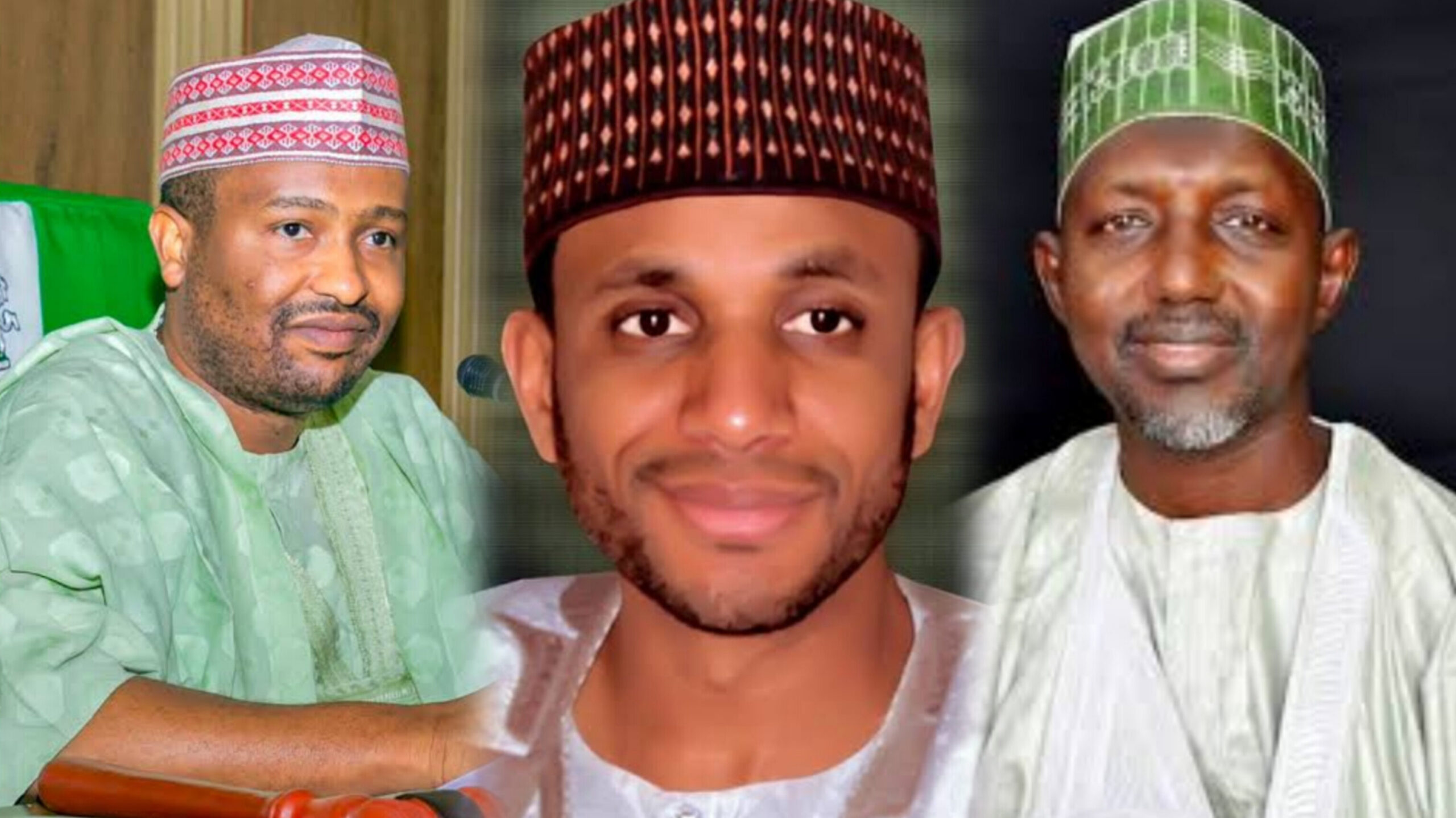
I’ve seen a number of pieces about the leadership vacuum in Kano State, and I feel compelled to share my thoughts. If you were a governor faced with a vacancy as critical as that of a deputy, would you take a sole decision or engage in consultations with relevant stakeholders? In reality, both morally and politically, such a moment calls for consultation even when the final decision rests squarely within your constitutional authority.
In the dynamics of modern governance, especially within politically vibrant states like Kano, major decisions are rarely made in isolation. They are the product of consultations, engagements, and careful consideration of multiple interests. Yet, recent narratives have attempted to frame this natural political process as a sign of uncertainty or lack of control.
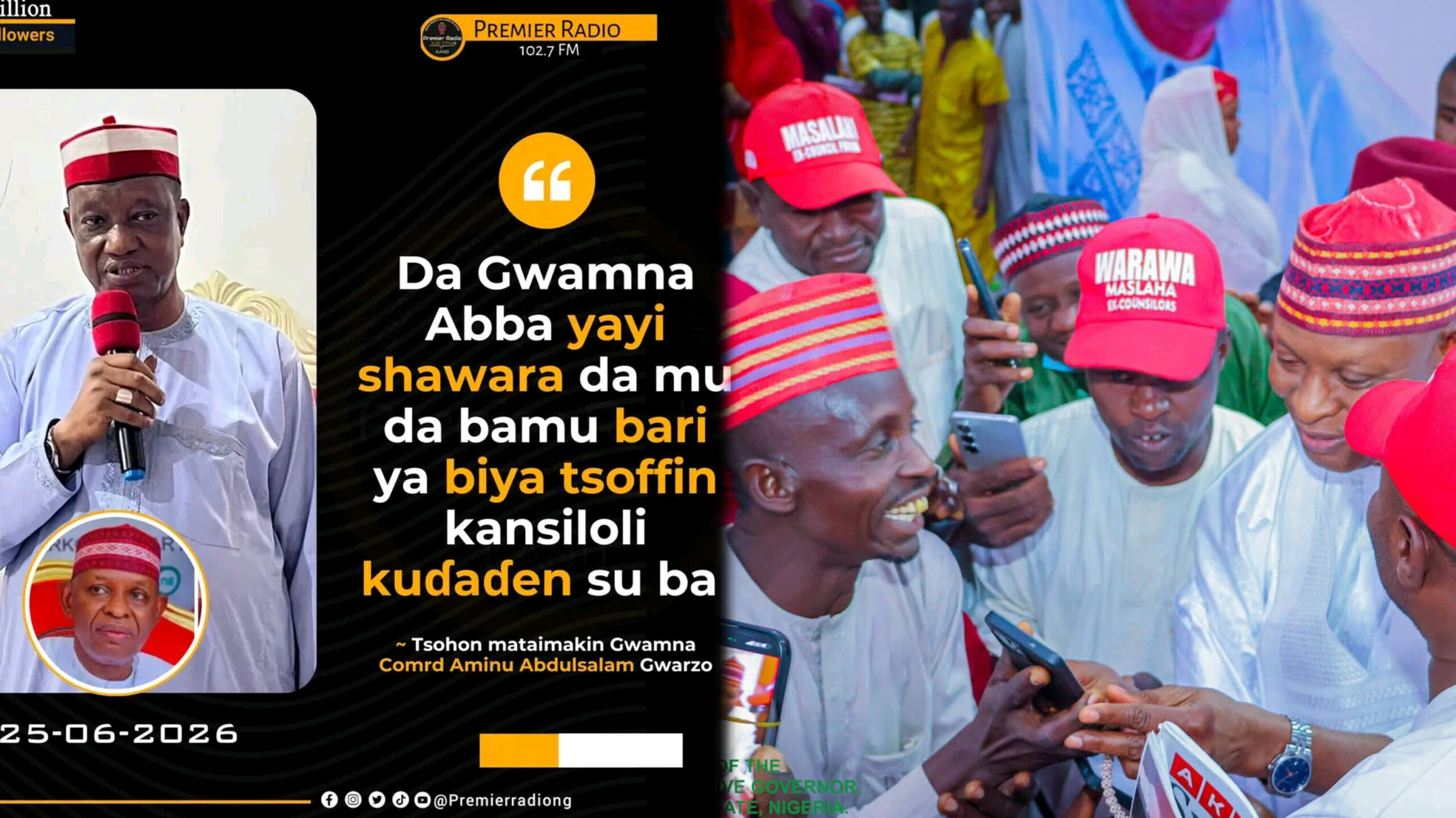
The ongoing discussions around the selection of a deputy governor by Abba Kabir Yusuf should not be mistaken for a “dilemma.” Rather, they reflect a leadership approach that recognizes the importance of inclusiveness in decision-making. In a state where political structures are layered and diverse, arriving at a consensus is not a weakness it is a necessity.
Kano’s political environment is one where stakeholders matter. From lawmakers to party leaders, from regional blocs to grassroots actors, each plays a role in shaping outcomes. Engaging these interests is not an indication of pressure; it is a demonstration of political maturity. Leadership, in such a context, is not about acting in isolation, but about navigating complexity with balance and foresight.
What some narratives describe as “mounting pressure” can more accurately be understood as ACTIVE POLITICAL PARTICIPATION. It shows that the process is alive, that voices are being heard, and that decisions are being weighed carefully rather than imposed hastily. This is particularly important in moments that carry long-term implications for governance and stability.
It is also important to recognize that consultation does not equate to surrender. The final authority of decision remains with the governor, and what is being witnessed is not a loss of control, but a deliberate effort to ensure that whatever decision is reached carries both political strength and institutional acceptance.
In fact, the ability to manage differing interests without escalating tensions speaks to a leadership style rooted in restraint and coordination. Rather than forcing outcomes, there appears to be a conscious effort to build alignment an approach that may not always produce immediate headlines, but often delivers more sustainable results.
In a political climate where quick decisions are sometimes mistaken for strong leadership, it is worth asking whether patience, consultation, and inclusiveness should instead be seen as the true markers of strength. Kano’s history has shown that decisions made without broad support often come at a cost, while those built on consensus tend to endure.
What is unfolding, therefore, is not confusion, but calculation. It is not weakness rather but a measured leadership. And in the long run, it is this kind of approach that not only stabilizes governance but strengthens it.
Nworisa Michael is the coordinator of Inter-tribe Community Support Forum -ICSF and writes from nworisamichael1917@gmail.com