By Editor
There is a pattern we keep seeing in our politics, especially during moments of realignment. People get excited, supporters celebrate, and suddenly it feels like something big is happening. But most times, we focus too much on the noise outside and forget to ask the deeper questions inside.
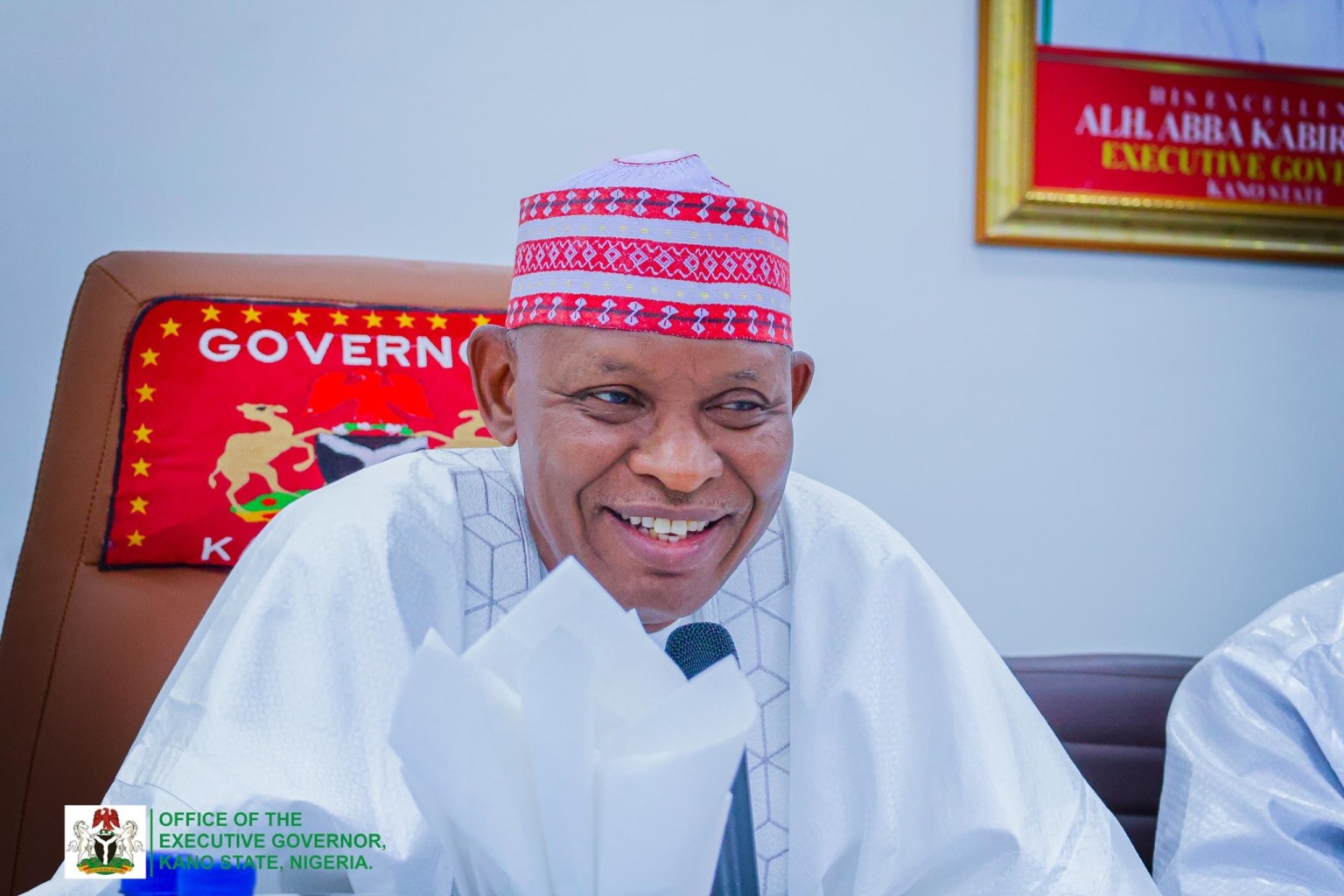
In one state known for its strong political structure, a leader built massive support over the years. One of the major things that earned him loyalty was education, particularly scholarship programs that sent many young people abroad to study. For those who benefited, it was life-changing, and naturally, they became strong defenders of that legacy.
But beyond that success, there is a question that many people don’t ask. If we criticize leaders for going abroad to seek medical treatment saying they should invest in hospitals at home why do we celebrate when students are sent abroad for education instead of building strong institutions locally? The same argument should apply. If we truly want development, then the focus should be on building systems here that can compete globally, not always looking outward for solutions.
The money spent on sending students abroad could have been used to upgrade schools, train teachers, and improve infrastructure within the state. That way, more people would benefit, not just a selected few.
In fact, with the right vision, such investment could even attract foreign institutions to come in, partner, and operate locally. That would create jobs, improve standards, and strengthen the system for everyone.
Another issue that cannot be ignored is the question of inclusiveness. The state in question is like a mini-Nigeria, with people from different tribes and backgrounds living and working together, especially in places like Sabon Gari.
These communities are part of the system and should feel included in governance. But over time, there have been quiet complaints feelings that they are not fully carried along.
This may not always be said openly, but it has consequences. When people feel excluded, they don’t promote you. They don’t defend you. They may not fight you openly, but they will not stand for you either. And this is how influence becomes limited strong in one place, but weak beyond it.
Now, with new political alignments happening, many people are celebrating. They see it as a strategic move, a way to gain more ground, especially in a place where numbers matter. On the surface, it looks like a smart political step.
But the real question is not what people outside are saying. The real question is: what are the people within saying? Those who have lived the experience, those who have felt the policies directly are they truly happy, or are they just watching quietly?
Because in politics, not every move is about the future. Some moves are about survival. When decisions are made late, when negotiations come with conditions, and when alignment happens only when other options are limited, it raises concerns. Is this about building something new, or just finding a place to remain relevant?
There is nothing wrong with forming alliances.
Politics is about collaboration. But collaboration must be built on trust, not just convenience. It must be about shared goals, not just shared positions.
At the end of the day, the question remains simple but important: is the goal truly collective progress, or is it negotiated survival?
Because while the crowd may be cheering outside, the real answer often lies within the house.
Nworisa Michael is the coordinator of Inter-tribe Community Support Forum and writes from nworisamichael1917@gmail.com