By Editor
The 2023 presidential election already told us a story many are still trying to reinterpret. The numbers were clear. Sen. Rabiu Musa Kwankwaso secured 1,496,687 votes nationwide placing fourth. But beyond the national spread, what stood out even more was the concentration of that strength. His dominance was not across Nigeria; it was rooted, firmly and almost entirely, in Kano. And that is not a weakness it is a reality. It defines both his relevance and his limitation.
Because while Kano remains one of the most politically strategic states in Nigeria, national elections are not won on regional strength alone. They require spread, alliances, and most importantly, structure. This is where the conversation becomes more critical.
The experience within the New Nigeria Peoples Party offers a lesson that should not be ignored. What began as a platform with shared leadership and collective vision gradually evolved into something many perceived as personality-driven. The internal tensions, the leadership disputes, and eventual judicial interventions all pointed to one thing a struggle between structure and control. That history matters.
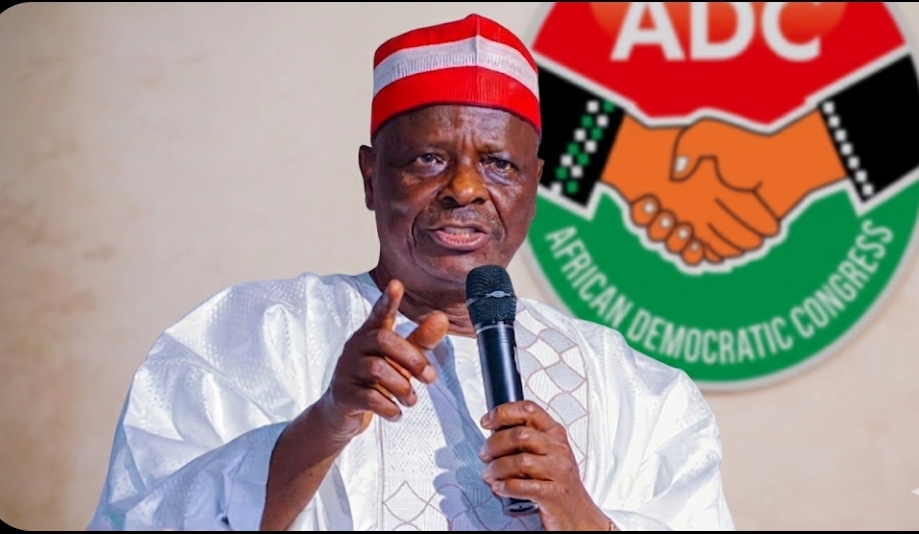
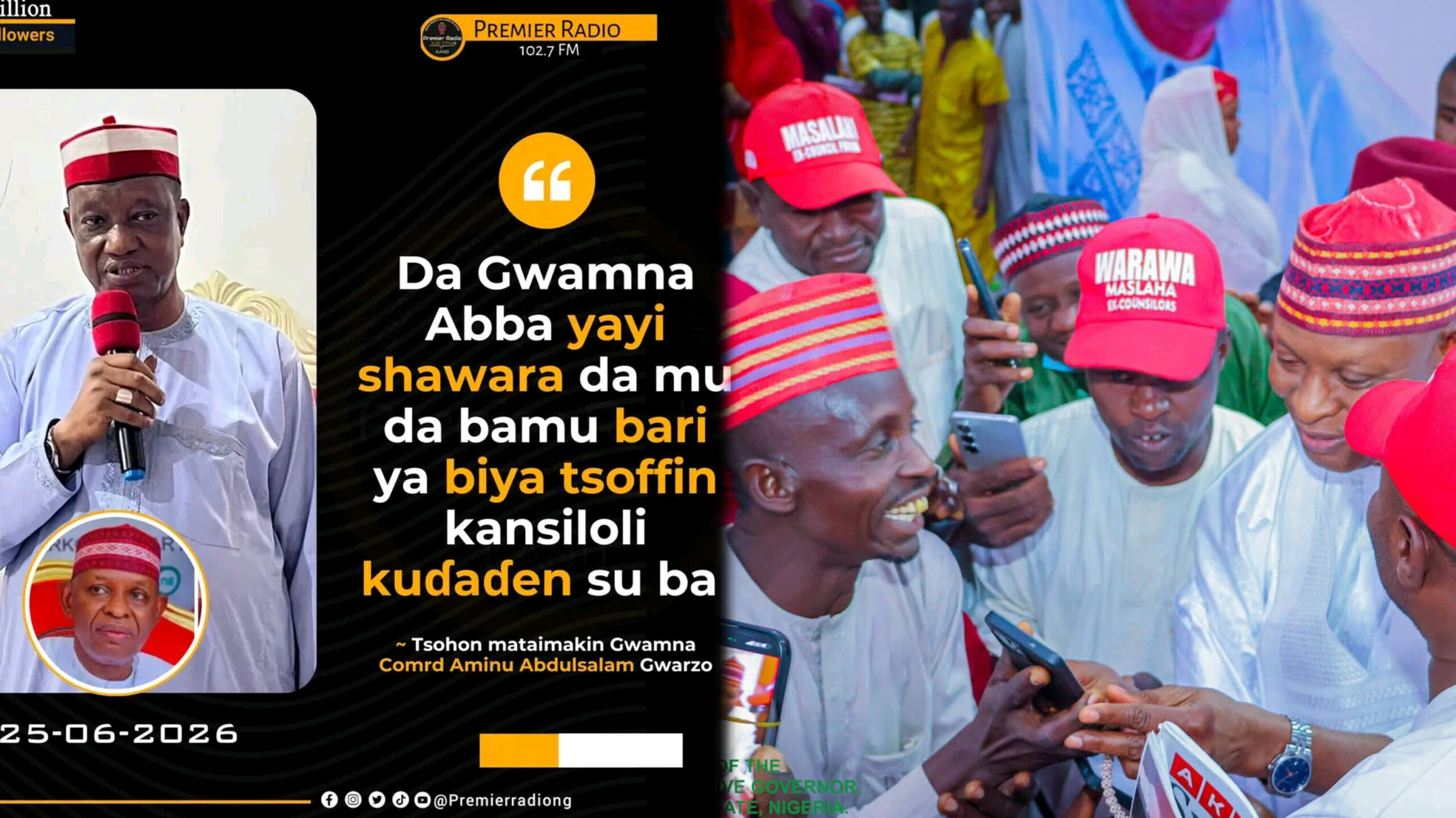
Now, with growing indications of a possible alignment with the African Democratic Congress, there is a need for clarity, caution, and firmness especially from stakeholders within Kano. Coalitions are not built to be taken over. They are built to be balanced.
If there is a 60/40 understanding within the coalition framework, then it must remain just that an understanding rooted in equity, not influence. No entrant, regardless of political weight or past influence, should tilt that balance to suit personal ambition. Because once structure is compromised, the coalition itself begins to weaken from within.
Kwankwaso’s entry into ADC, if it materializes, may indeed serve his political trajectory. It offers him a broader platform, a renewed pathway, and perhaps a repositioning ahead of future contests. But that benefit must not come at the expense of the party’s institutional stability particularly in Kano, where political consciousness is already heightened.
There is also a deeper layer to this. The 2023 election did not just produce winners and losers it revealed the consequences of fragmentation. The division of opposition strength created openings that shaped the final outcome. Whether intentional or not, the lesson remains: disunity has a cost.
And this is why every political move now must be weighed beyond personal calculation. Kano is too important to be dragged into another cycle of political uncertainty driven by individual ambition over collective interest. The people are watching more closely, thinking more critically, and responding more decisively than ever before.
A coalition that ignores this reality risks repeating the very mistakes it seeks to correct. In all of this, one principle must remain clear:
No individual is bigger than the platform that carries him. And no ambition should override the structure that sustains collective progress. Because in the end, elections are not just about who contests they are about how well the ground is prepared. And in Kano, the ground is never neutral.
Nworisa Michael is the coordinator of Inter-tribe Community Support Forum and writes from nworisamichael1917@gmail.com