Early this morning, I came across a post by the Public Relations Officer of the Kano State Police Command, CSP Abdullahi Haruna Kiwaya that simply read: “Imagine a Kano State without Daba!” “A cikin ikon Allah harkar Fadan Daba dai ta ragu sosai. Muna godiya da kokarin ku.” Meaning, (“By the will of Allah, incidents of Daba violence have greatly declined. We commend and appreciate your efforts.”)
For many people, it may have appeared to be just another social media post, but for those of us who have witnessed the evolution of Kano over the years, those words carried a much deeper meaning. They force us to reflect not only on where we are today but also on where we were not too long ago.
Before we imagine a Kano without Daba, we must first remember the Kano that many communities struggled with. We remember neighbourhoods where parents worried whenever their children stayed out late. We remember communities where youth gangs created fear and uncertainty. We remember the stories of young lives lost to violence, drug abuse, criminality and hopelessness. We remember families whose dreams were cut short because a child took the wrong path. We remember communities that often felt trapped between fear and frustration.
For many years, the response to these challenges focused almost entirely on enforcement. While security agencies have a constitutional responsibility to maintain law and order, experience has repeatedly shown that not every social problem can be solved through arrests and prosecution alone. Lasting peace is often built when society is willing to engage, rehabilitate, guide and create opportunities for those who may have lost their way. This understanding is what makes the Safe Corridor Initiative championed by the Honourable Commissioner for Information and Internal Affairs, Comrade Ibrahim Abdullahi Waiya, worthy of reflection.
The philosophy behind the initiative is both simple and powerful. It recognizes that many young people involved in social vices were not born criminals. Many are products of circumstances, negative influences, poor decisions, economic hardship, broken social support systems and a lack of opportunities. Instead of viewing such individuals only through the lens of punishment, the initiative seeks to create a pathway for dialogue, rehabilitation and reintegration into society. It is an approach that understands that every young person redirected from violence is a victory for the entire community.
What makes this initiative particularly remarkable is that it came at a time when many believed that confrontation was the only available solution. The Safe Corridor Initiative challenged that thinking by demonstrating that engagement and accountability can work side by side. It showed that government can be firm against criminality while still creating room for transformation. It reminded us that there is a difference between condemning an act and giving up on a human being.
Today, when residents and even security agencies acknowledge the reduction of Daba-related activities in many parts of Kano, it would be unfair to pretend that such progress happened on its own. Peace does not emerge from wishful thinking. Stability does not appear by accident. They are often the result of deliberate policies, strategic interventions and the collective efforts of government institutions, security agencies, traditional rulers, religious leaders, civil society organizations and ordinary citizens who refuse to accept disorder as normal.
In this collective effort, the Safe Corridor Initiative has carved out a unique place for itself. Rather than merely responding to problems after they occur, it seeks to address some of the conditions that create those problems in the first place. It has encouraged conversations where there was previously silence. It has promoted engagement where there was previously mistrust. Most importantly, it has reinforced the idea that sustainable peace requires more than enforcement; it requires understanding, inclusion and opportunity.
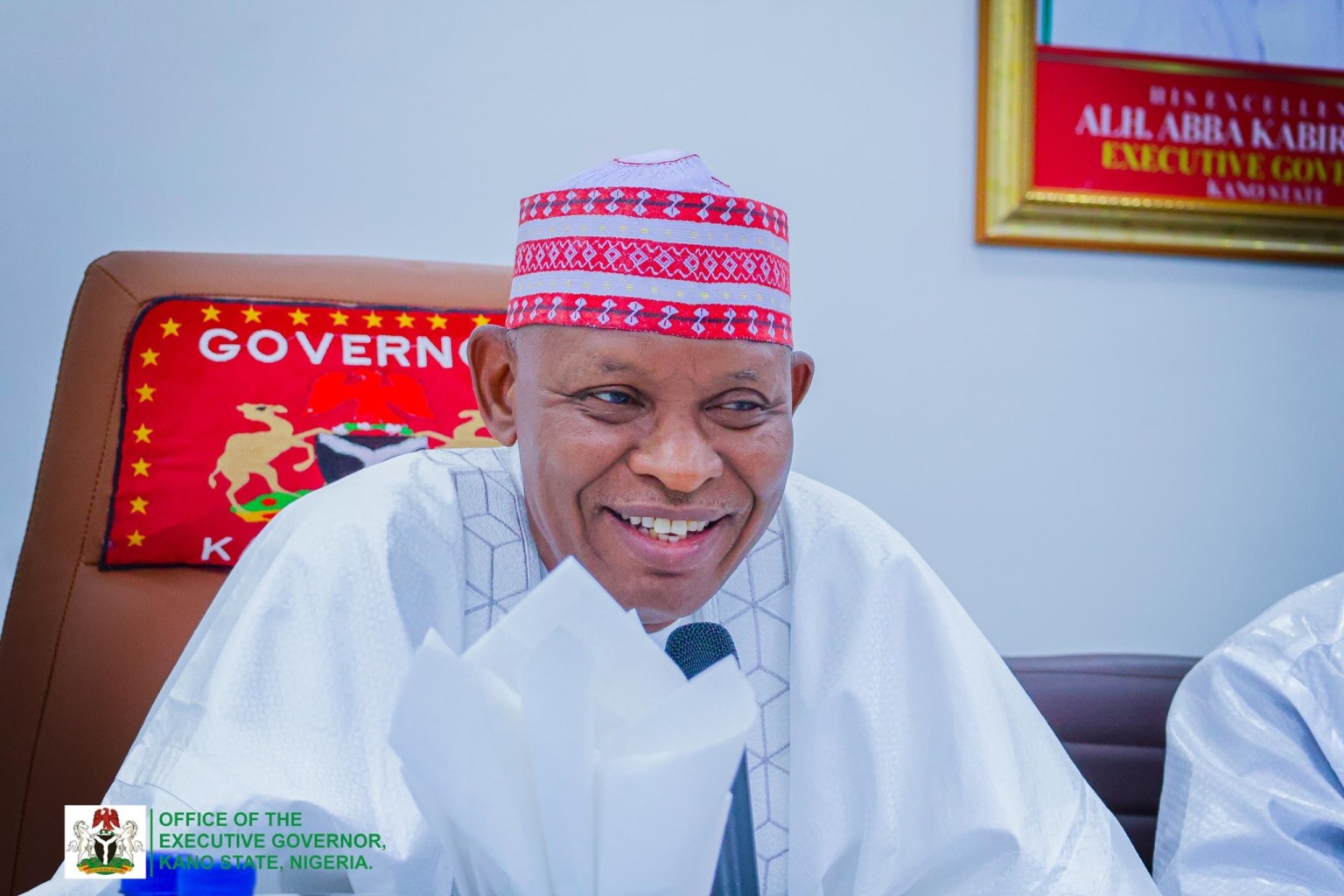
The role of Comrade Ibrahim Abdullahi Waiya in driving this vision also deserves acknowledgment. When Governor Abba Kabir Yusuf brought him into government, many viewed the decision through different lenses. However, as time passes, more people are beginning to appreciate the value of bringing individuals with grassroots experience, advocacy backgrounds and community engagement skills into governance. Governance is not only about constructing roads and buildings. It is also about building trust, strengthening relationships and creating an environment where citizens feel heard and valued.
Some of the most important contributions to governance are often the least visible. They are not always captured in photographs or commissioning ceremonies. They are reflected in the mother who feels safer allowing her child to walk to school. They are reflected in the trader who can conduct business without fear of violence. They are reflected in communities that experience greater peace and social harmony. These outcomes may not always dominate headlines, but they are among the most meaningful indicators of progress.
Of course, no initiative is perfect and no public official is beyond criticism. Constructive criticism remains necessary for growth and improvement. However, fairness also demands that we acknowledge progress where it exists. If we are quick to identify shortcomings, we should be equally willing to recognize efforts that are producing positive results. Development becomes sustainable when society learns to reward what works while encouraging improvements where necessary.
The reduction in Daba-related activities is not merely a victory for government. It is a victory for every family that has worried about the safety of a loved one. It is a victory for communities that desire peace. It is a victory for young people who have chosen a different path and a better future. It is a victory for all those who believe that dialogue, engagement and opportunity can achieve what force alone sometimes cannot.
That is why the statement by the Kano State Police Command resonates so deeply. “Imagine a Kano without Daba.” For many years, such a thought may have seemed unrealistic. Today, it feels increasingly achievable. While there is still work to be done, the progress made so far gives reason for hope. It reminds us that positive change is possible when leadership, vision and community cooperation come together in pursuit of a common goal.
As Kano continues its journey toward greater peace and stability, initiatives that promote engagement, rehabilitation and social inclusion deserve encouragement and continuity. The Safe Corridor Initiative has shown that meaningful progress is possible when government chooses not only to confront challenges but also to address their root causes. If the dream of a Kano without Daba is becoming more realistic today, then every effort contributing to that reality deserves recognition.
Nworisa Michael is the coordinator of Inter-tribe Community Support Forum and writes from nworisamichael1917@gmail.com