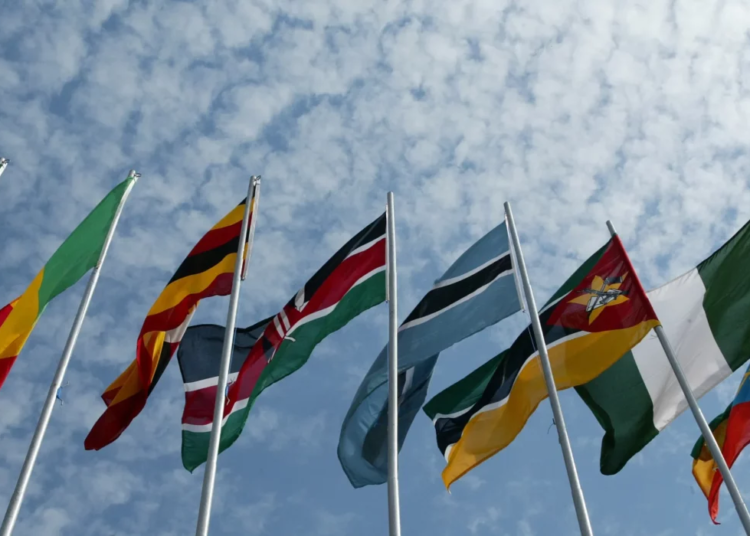
African business leaders are increasingly exploring new partnerships and trade routes as changing global economic conditions reshape international commerce and create fresh opportunities across the continent.
With global trade facing growing uncertainty driven by shifting tariff policies, geopolitical tensions, supply chain restructuring, and evolving alliances, businesses across Africa are rethinking how and where they operate.
Industry experts say these disruptions are encouraging African firms to expand beyond traditional trading partners, strengthen regional collaborations, and tap into emerging import and export corridors within the continent.
However, analysts warn that increased cross-border trade opportunities are also bringing new financial challenges, particularly in managing currency fluctuations and international payments.
According to James Booth, Head of Revenue at Verto, businesses operating across African markets are navigating a more fragmented and financially complex environment.
He noted that many companies are now trading across multiple corridors, engaging new suppliers, and entering markets previously outside their operational scope — developments that create growth opportunities but also expose businesses to additional financial risks.
Cross-border transactions between key African commercial hubs often involve multiple currencies, varying banking systems, and inconsistent liquidity levels, making international payments more challenging.
Experts say currency volatility remains one of the biggest concerns for businesses, especially those operating on tight profit margins. Fluctuations in exchange rates during shipment periods can significantly impact profitability, with some sectors vulnerable to losing entire margins due to relatively small currency movements.
Businesses engaged in international trade may remain exposed to exchange rate risks for up to two months while goods are in transit, increasing vulnerability to unexpected market changes between procurement and payment stages.
Small and medium-sized enterprises (SMEs) are considered particularly vulnerable due to limited access to advanced treasury management tools and tighter operating margins.
Financial analysts also point to slow settlement processes and fragmented payment systems as factors extending businesses’ exposure to currency risks.
Booth said companies are becoming more strategic in selecting markets, diversifying suppliers, and evaluating payment reliability before entering new territories.
As global trade patterns continue to evolve, experts believe businesses that combine market expansion with stronger financial risk management strategies will be better positioned to thrive in an increasingly fragmented global economy.