By Editor
There is a silent conversation happening across Kano today one that is not loud on social media, not openly debated in public gatherings, but deeply rooted in the hearts of many. It is the quiet struggle between loyalty and truth, between long-standing identity and present-day reality.
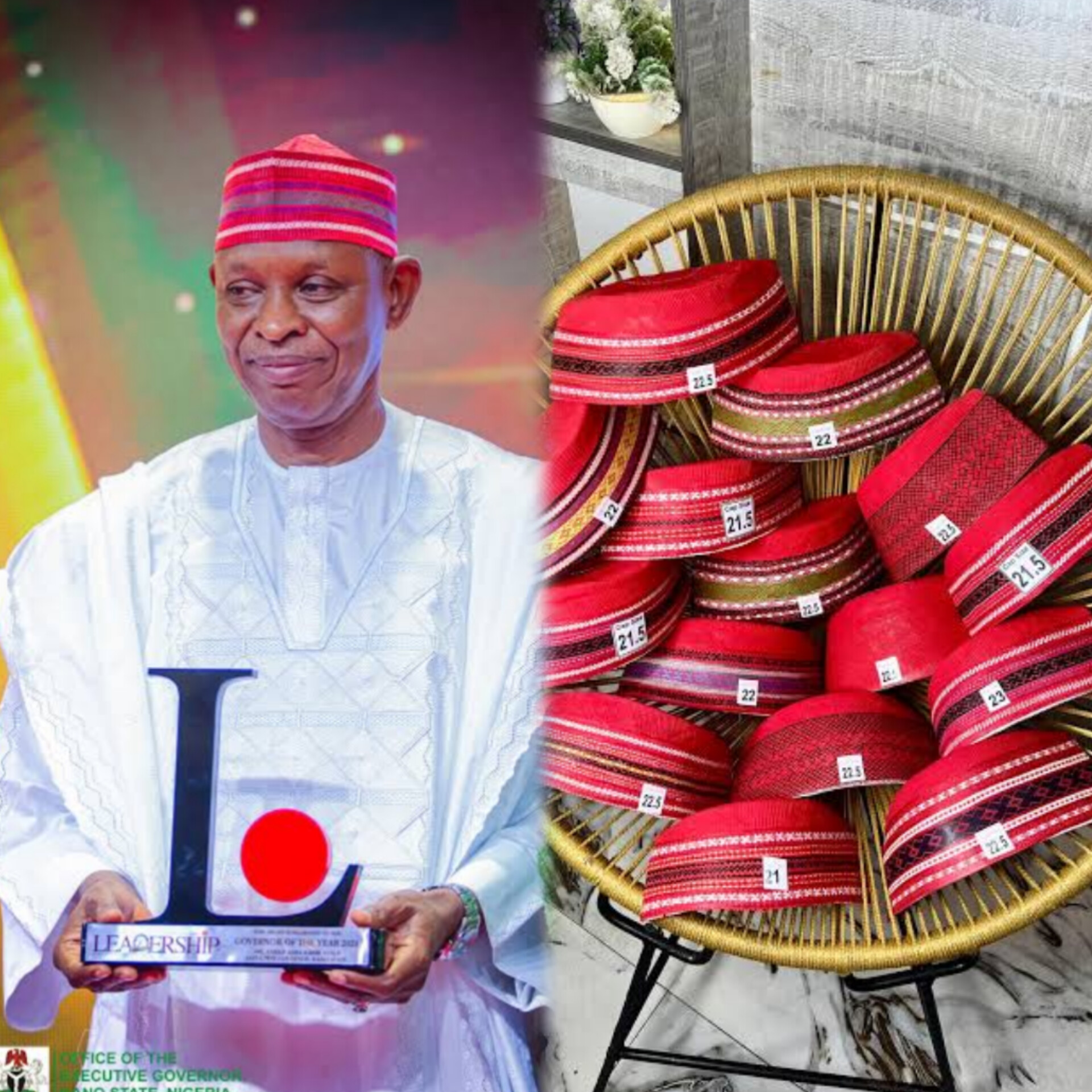
For many within the Kwankwasiyya movement, loyalty is not just political it is emotional, historical, and deeply personal. It represents years of struggle, a sense of belonging, and a shared identity symbolized even in something as simple as the red cap. It is a movement that has shaped political consciousness, built networks, and given many a voice and a platform.
But alongside this loyalty, another reality has emerged one that cannot be ignored. The governance style and developmental strides of Governor Abba Kabir Yusuf have begun to speak in ways that resonate with the everyday experiences of the people. Roads, education, public service reforms, and visible efforts at governance have created a growing sense of appreciation, even among those who feel they should stand firmly elsewhere.
And so, a dilemma is born.
It is not a dilemma of opposition versus support in the traditional sense. It is more complex than that. It is the internal conflict of individuals who find themselves asking difficult questions: Can I remain loyal to a movement and still acknowledge good governance when I see it? Can I separate identity from performance? Can I be true to both my past and my present reality?
For some, expressing appreciation openly comes with consequences social, political, and even personal. In certain circles, silence becomes safer than honesty. Support becomes private, while public posture remains aligned with expectations. This has created a culture where conviction is often whispered, not declared.
Yet governance is not built on silence. Development is not sustained by fear. A society moves forward when its people are able to engage honestly, to acknowledge progress where it exists, and to hold leaders accountable where necessary without being trapped by rigid lines of loyalty that ignore reality.
Kano has always been politically conscious. Its people are known for their awareness, their engagement, and their willingness to question power. That consciousness is what has shaped its political strength over the years. But today, that same consciousness is being tested not by external forces, but by an internal struggle between what people feel and what they believe they are expected to show.
At the heart of it all lies a simple but powerful truth: leadership should ultimately be measured by impact, not affiliation. Movements may shape identity, but governance shapes lives.
And so, the question remains quiet, personal, and deeply reflective:
When loyalty pulls one way, and lived reality pulls another, which should truly guide the conscience?
Nworisa Michael is the coordinator of Inter-tribe Community Support Forum and writes from nworisamichael1917@gmail.com