By Nworisa Michael
There are people whose lives change the moment violence touches their doorstep. Some respond with anger. Others withdraw into silence. But a rare few choose a path that most of us would struggle to walk the path of forgiveness.
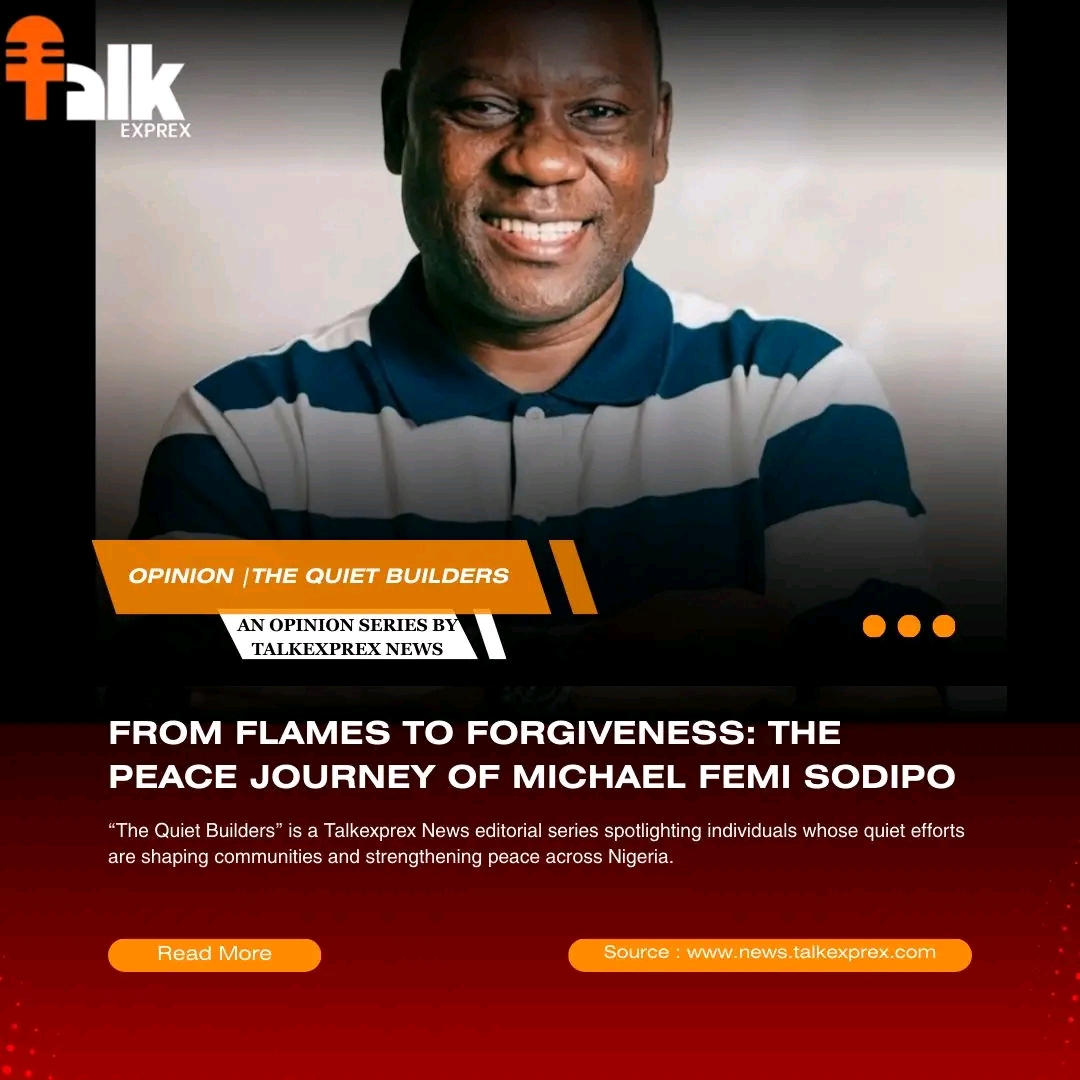
One of those quiet builders is Michael Olufemi Sodipo.
Long before he became known in peacebuilding circles, Sodipo was simply a resident of Kano trying to live an ordinary life. But history had other plans.
In the early 2000s, when cycles of communal violence shook parts of northern Nigeria, tensions spilled across communities that had once lived side by side in relative harmony. Fear moved quickly through the streets. Rumors became weapons. Neighbors began to see one another through the lens of suspicion.
Then one day, violence came for him.
A mob reportedly gathered outside his home during one of the crises. His house and car were burned. For many people, that moment would have planted seeds of lifelong resentment.
But something unexpected happened.
Instead of revenge, Michael Sodipo chose reflection.
Even more remarkable was the fact that the very community around him people from different faith backgrounds helped protect him when the danger was at its peak. That experience planted a powerful realization in his mind: violence may spread quickly, but so can compassion.
From that realization, a mission was born.
In 2004, Sodipo founded the Peace Initiative Network, an organization dedicated to promoting dialogue, youth engagement, and community peacebuilding.
The idea was simple but powerful: if communities could be taught to understand each other before conflict erupts, perhaps the cycle of retaliation that has haunted many parts of Nigeria could be broken.

Over the years, the organization quietly built programs focused on young people the very group often manipulated during periods of unrest. Through peace clubs, dialogue forums, and skill empowerment initiatives, Sodipo and his team began working with youths who might otherwise have been pulled into violence.
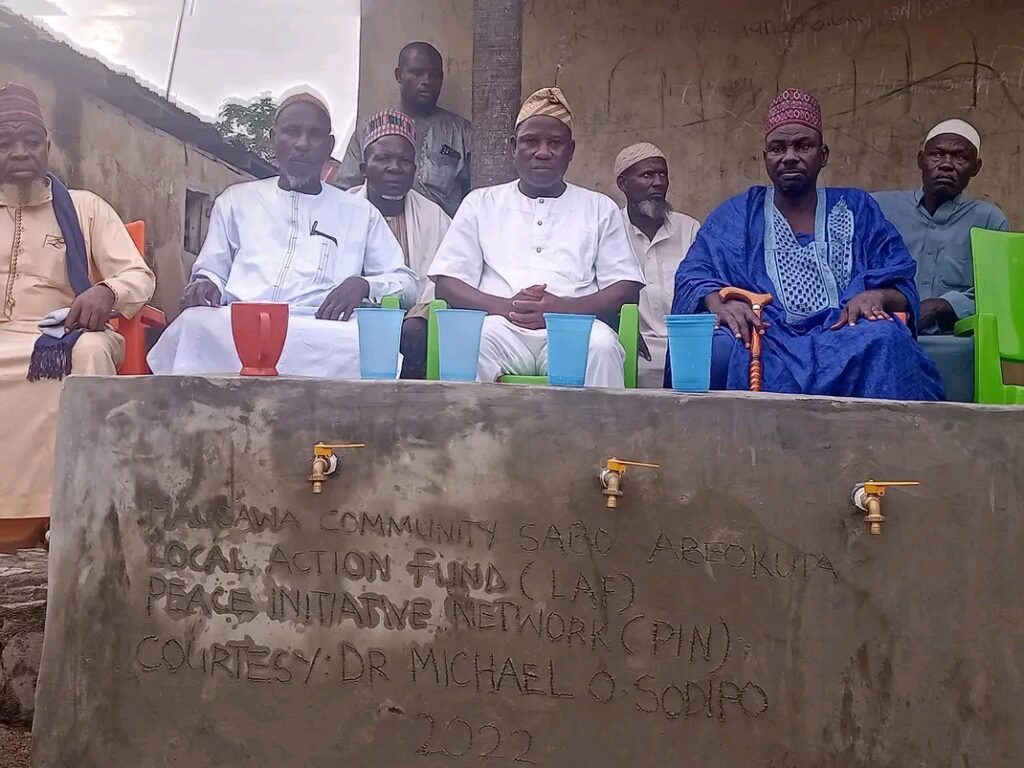
Some learned trades. Others learned conflict mediation. Many discovered that their futures could be built with tools, education, and cooperation rather than anger.
What makes Sodipo’s story particularly powerful is that he did not choose the easier path of bitterness after his personal loss. Instead, he turned his experience into a platform for reconciliation.
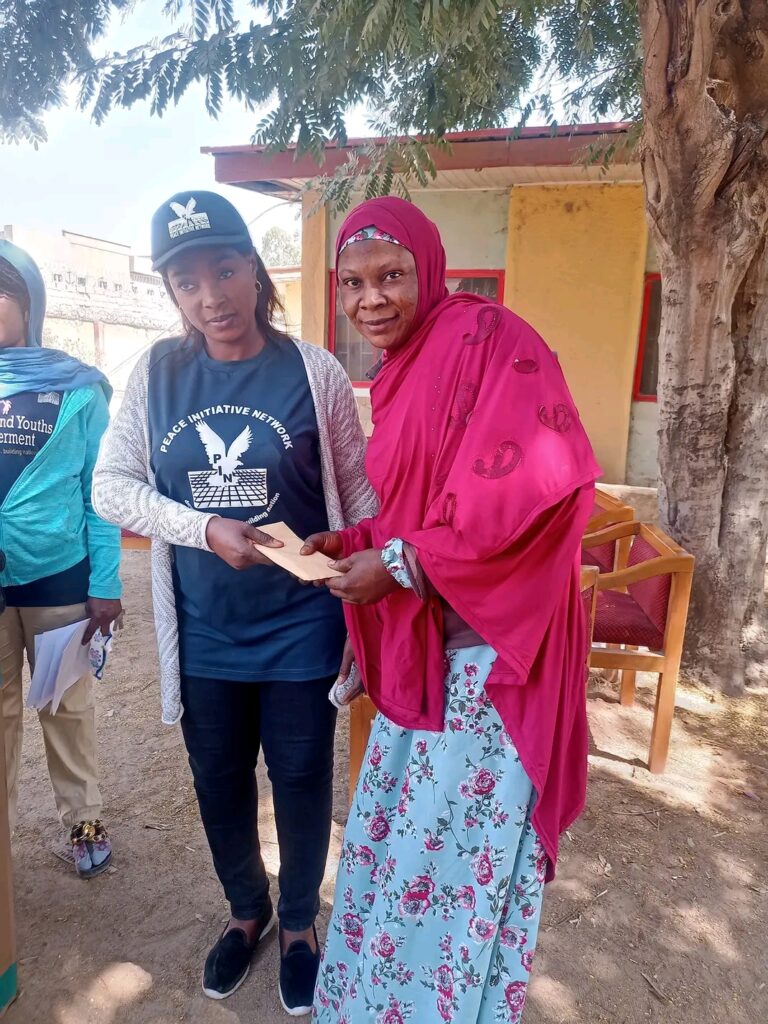
In a country where conflict narratives often dominate headlines, stories like his remind us that peace is rarely built through dramatic gestures. More often, it is constructed slowly through patient conversations, quiet mentorship, and the courage to forgive.
Today, the work of the Peace Initiative Network continues to touch lives in communities that need hope more than headlines.
And perhaps that is the essence of a quiet builder.
They do not always appear on the front pages. They rarely seek applause. Yet through steady commitment and moral courage, they help shape the kind of society many people wish to live in.
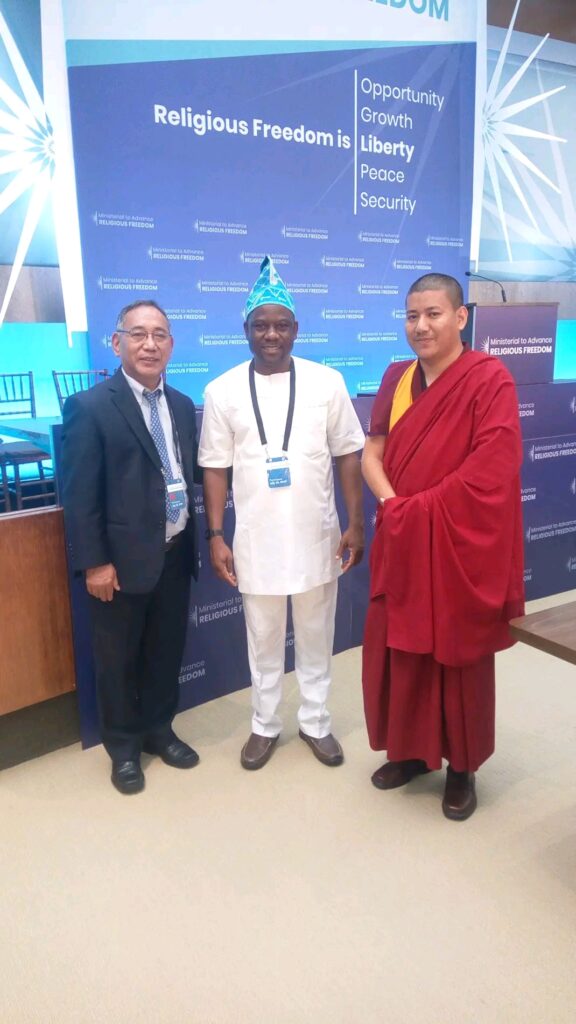
For Sodipo, peace was not merely an idea discussed in conferences or policy papers. It was a personal decision made in the ashes of a painful moment.
A decision that continues to echo in the lives of many young people who now see dialogue as a stronger tool than division.
In a world that often celebrates loud victories, the work of quiet builders like Michael Femi Sodipo reminds us that the most lasting transformations sometimes begin with a simple but difficult choice:
the choice to forgive.
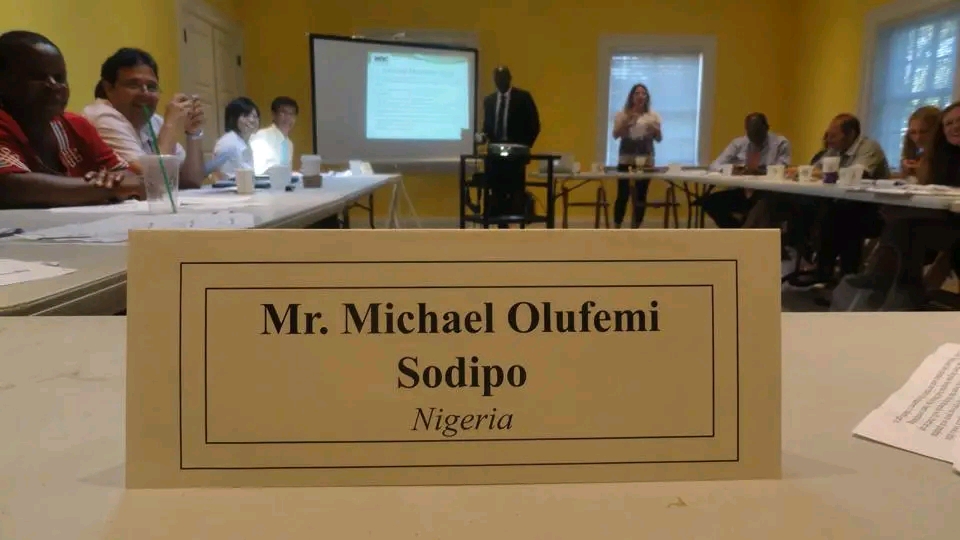
“The Quiet Builders” is a Talkexprex News editorial series spotlighting individuals whose quiet efforts are shaping communities and strengthening peace across Nigeria.