By Nworisa Michael
Nearly 20 years after a theological dispute in Nigeria reshaped global Anglicanism, developments in Abuja this week indicate that the divide has shifted from protest to permanence.
In 2007, under the leadership of Peter Jasper Akinola, then Primate of the Church of Nigeria, Nigerian bishops played a leading role in establishing the Global Anglican Future Conference (GAFCON). The movement emerged in response to doctrinal developments within the Church of England, particularly on issues relating to sexual ethics and biblical authority.
On Tuesday, March 3, 2026, that early protest appeared to take on a more permanent character.
Addressing more than 1,000 archbishops, bishops and clergy at the Cathedral of the Advent, Life Camp, Gwarinpa, Abuja, the fifth Primate of the Church of Nigeria, Henry Ndukuba, declared that GAFCON had moved beyond dialogue with Canterbury.
He stated that as long as the Church of England continued what he described as “abominable doctrine,” the movement would maintain a permanent distance. Though delivered calmly, the remarks signaled what observers describe as a structural break rather than a temporary disagreement.
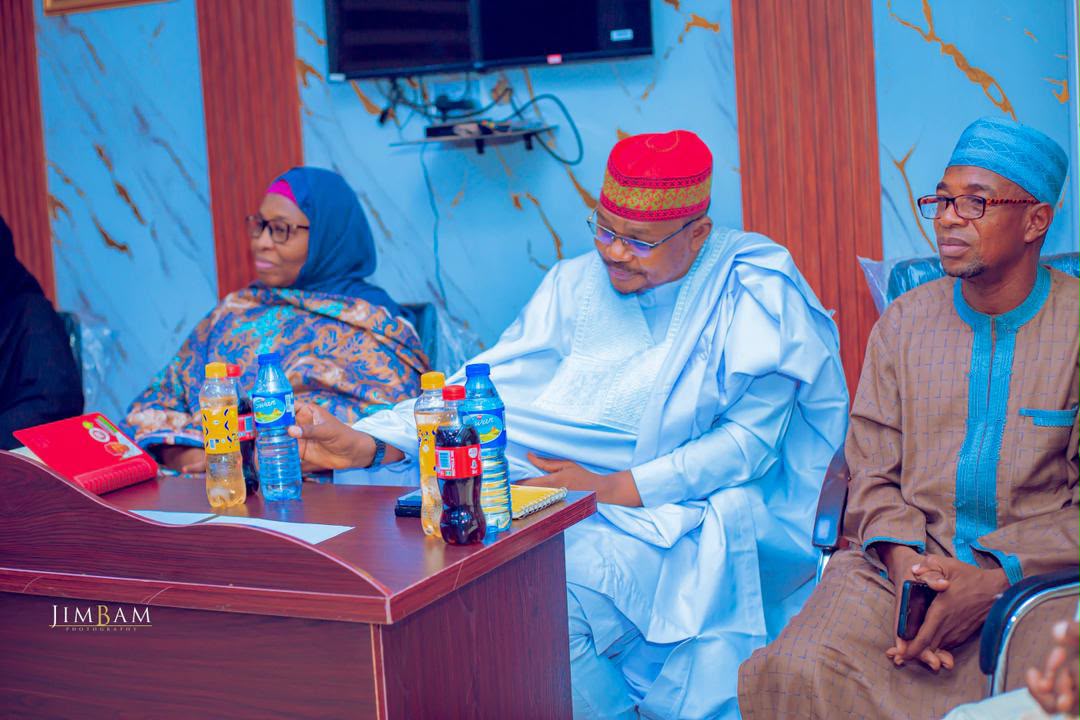
The gathering, tagged G26 Abuja 2026, has been described by organisers as a mini-conference. However, in both scope and implication, it carried the significance of GAFCON’s global assemblies, held every five years.
Participants suggested that the movement increasingly sees itself not merely as a reform bloc within Anglicanism but as the nucleus of an alternative alignment, often referred to as the “Global Anglican Communion.”
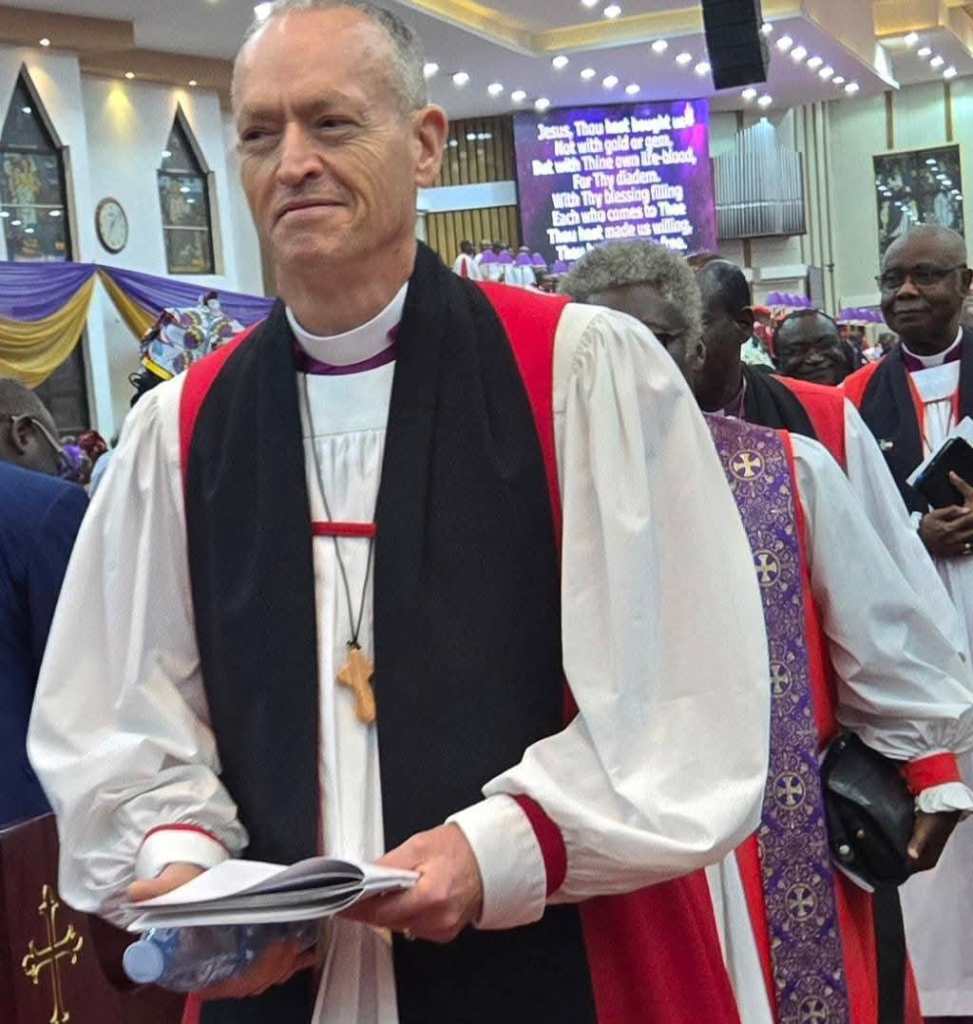
The opening Holy Communion service, which lasted over two hours, featured a formal procession of serving and retired archbishops and bishops. The ceremony reflected historic Anglican tradition while underscoring resistance to doctrinal shifts viewed by delegates as departures from scriptural orthodoxy.
Beyond the liturgy, strategic discussions dominated proceedings. Under the theme, “Choose This Day Whom You Will Serve” (Joshua 24:15), delegates framed their conversations as matters of theological allegiance rather than administrative dispute.
Closed-door sessions at St. Matthias House, Waziri Crescent, Gudu District, Abuja, are focusing on ecclesial recognition, mission partnerships, theological education standards, and strengthening inter-provincial oversight structures.
Observers note that what is unfolding in Abuja represents more than an African-led initiative. It reflects a broader recalibration of influence within global Anglicanism. While Canterbury retains historic primacy of honour, GAFCON’s growing presence across the Global South and parts of the West signals a shift in demographic and theological weight.
Supporters describe the movement as a safeguard of doctrine, while critics warn of deepening fragmentation within the Anglican world.
As delegates await the final communiqué and the Primate’s full address, many believe G26 Abuja 2026 may be remembered not simply as a reactionary meeting, but as a defining moment of realignment within contemporary Anglicanism.