By Nworisa Michael
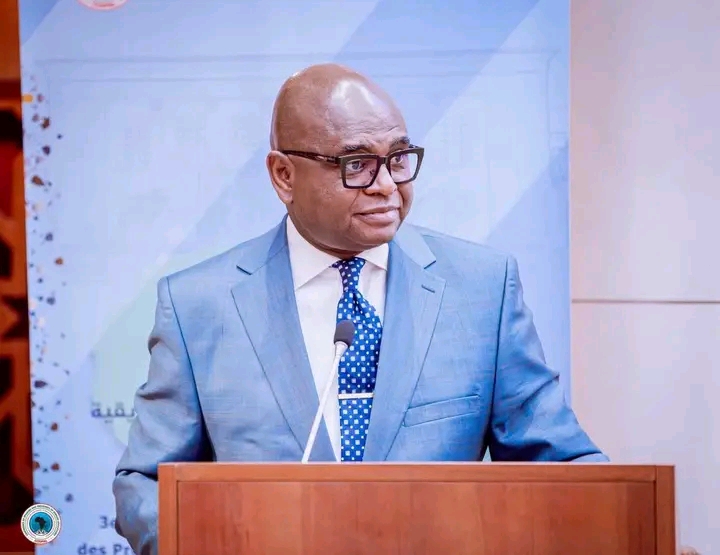
Former Deputy Governor of the Central Bank of Nigeria and renowned economist, Prof. Kingsley Moghalu, has faulted the timing and quality of Nigeria’s recently announced ambassadorial appointments, warning that the move damages the country’s global image and undermines sound statecraft.
Moghalu made the remarks after reacting to a report published by The Punch newspaper, which indicated that several countries have expressed unease over Nigeria’s plan to deploy new ambassadors barely one year to the end of President Bola Ahmed Tinubu’s tenure. According to him, if the report is accurate, such concerns are both logical and consistent with established diplomatic practice.
He explained that ambassadorial appointments require the formal consent of receiving countries through a process known as agrément, which can take several weeks or months. Announcing ambassadors so close to the end of an administration, he said, does not reflect seriousness or responsible governance, as host countries may be reluctant to accept envoys whose tenure could be short-lived.
Moghalu warned that even where such discomfort is not openly expressed, it is often communicated quietly through diplomatic channels, adding that Nigeria finding itself in such a position is deeply damaging to its international standing. He noted that Nigeria was once regarded as a medium power in global politics and Africa’s undisputed leader, a reputation now steadily eroding.
He further criticised Nigeria’s political leadership for what he described as a lack of understanding of governance and diplomatic norms, arguing that many leaders operate in isolation, assuming global systems function the same way Nigeria’s domestic politics does.
According to Moghalu, the consequences of this approach are both substantive and reputational. He cited the prolonged absence of Nigerian ambassadors in key global capitals, including Washington DC, describing it as a diplomatic vacuum that contributed to unfavourable foreign actions, including recent United States military intervention against terrorist groups in Nigeria.
He argued that if the current administration did not consider early ambassadorial appointments a priority, it would have been more prudent to retain ambassadors appointed by the previous government during its first term. Recalling them in 2023, he said, created a dangerous diplomatic gap that no leader versed in statecraft should expose the country to.
Moghalu also raised concerns about the calibre of individuals nominated as ambassadors, describing some of the nominees as lacking the competence and experience required for such sensitive roles. While acknowledging that a few credible names appear on the list, he maintained that many appointments reflect excessive politicisation rather than merit.
He concluded that the dominance of political considerations over competence in governance has eroded meritocracy in Nigeria’s public service, leaving the country worse off both domestically and internationally.