By Nworisa Michael
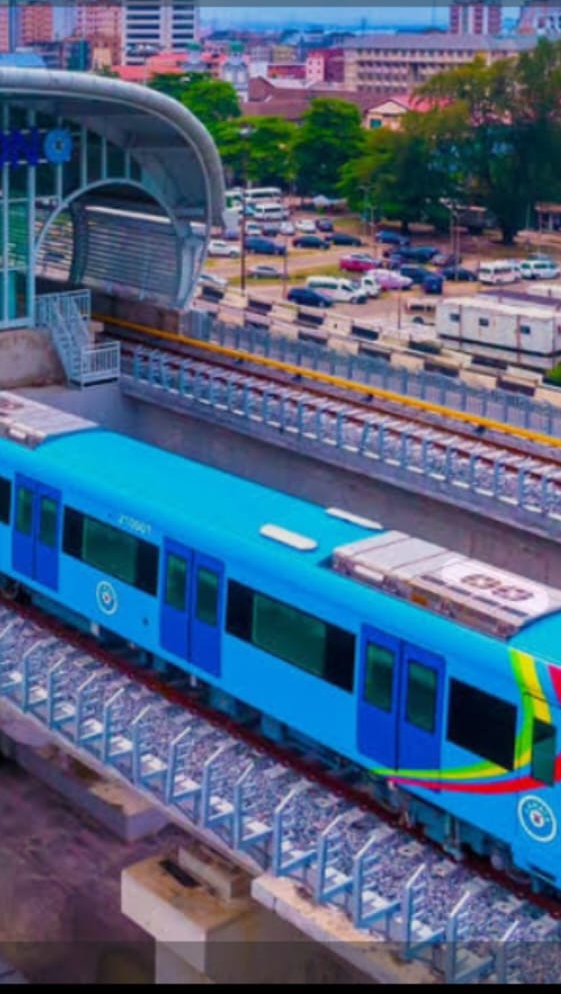
The Federal Government’s approval of a rail project for Kano State has been described as a significant step toward restoring the state’s historic position as a major commercial hub in Nigeria.
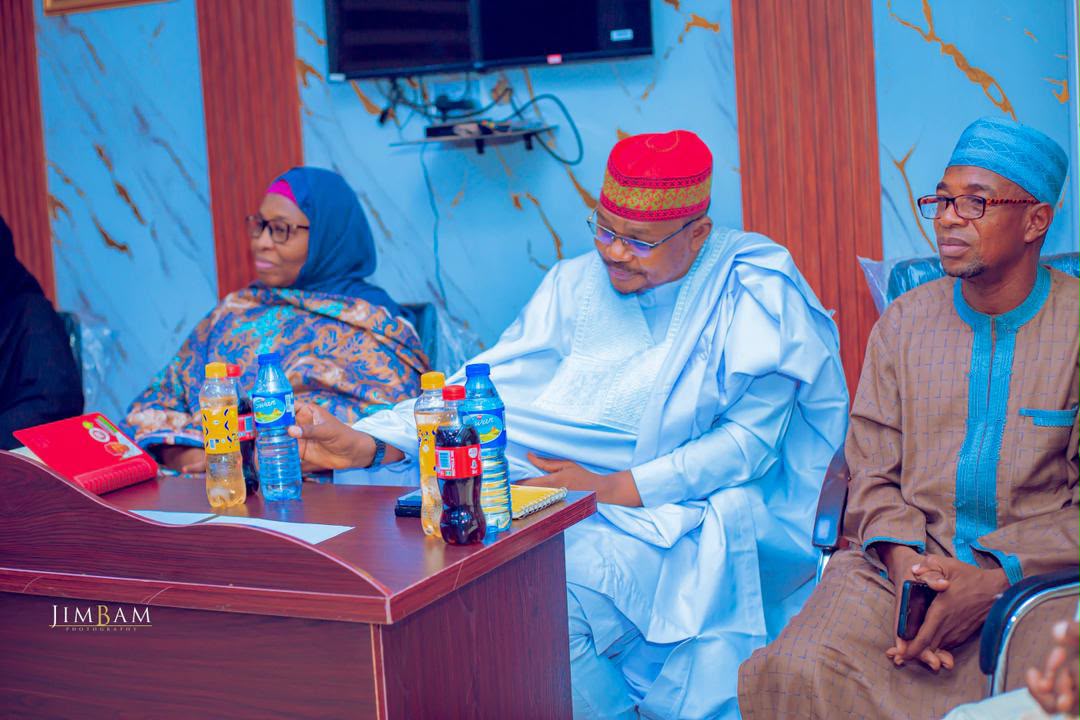
In a commentary made available to TalkExprex, development advocate and Director-General of the Unifier Project, Comrade Najeeb Nasir Ibrahim, said the rail project represents more than an infrastructure investment, noting that it has the potential to reposition Kano as a centre of trade, industry and logistics in Northern Nigeria and beyond.
According to him, Kano’s role as a commercial meeting point for West Africa dates back several centuries, but the absence of modern transport infrastructure particularly efficient rail connectivity has limited the state’s ability to maximise its economic potential in recent decades.
He noted that the newly approved rail project addresses a long-standing infrastructure gap and aligns with broader efforts to modernise Kano’s economy.
Although the rail project is a Federal Government initiative, Ibrahim said its approval reflects growing coordination between federal development priorities and Kano State’s readiness to attract large-scale investments.
He added that the administration of Governor Abba Kabir Yusuf has consistently emphasised development-focused partnerships aimed at long-term economic growth.
Drawing comparisons with Lagos State, Ibrahim said sustained investment in transport and logistics infrastructure played a key role in Lagos’ emergence as Nigeria’s commercial capital, arguing that rail systems remain proven drivers of economic expansion when integrated into wider development planning.
He identified several potential benefits of the Kano rail project, including improved connectivity to national economic corridors, reduced transportation costs for goods and agricultural produce, increased support for manufacturing and agro-processing, job creation, and enhanced attractiveness to private investors.
He further stressed that infrastructure projects of this scale should be approached beyond partisan considerations, describing them as public assets meant to benefit citizens regardless of political affiliation.
Ibrahim called on political leaders, business groups, civil society organisations and community stakeholders to support the successful implementation of the project, warning that excessive politicisation of development initiatives could slow progress and undermine shared economic benefits.
He maintained that while political alignments may change over time, sustainable development remains constant, urging stakeholders to prioritise Kano’s economic future above party differences.
The rail project is expected to play a key role in strengthening Kano’s position as a commercial gateway to Northern Nigeria and neighbouring regions once fully implemented.