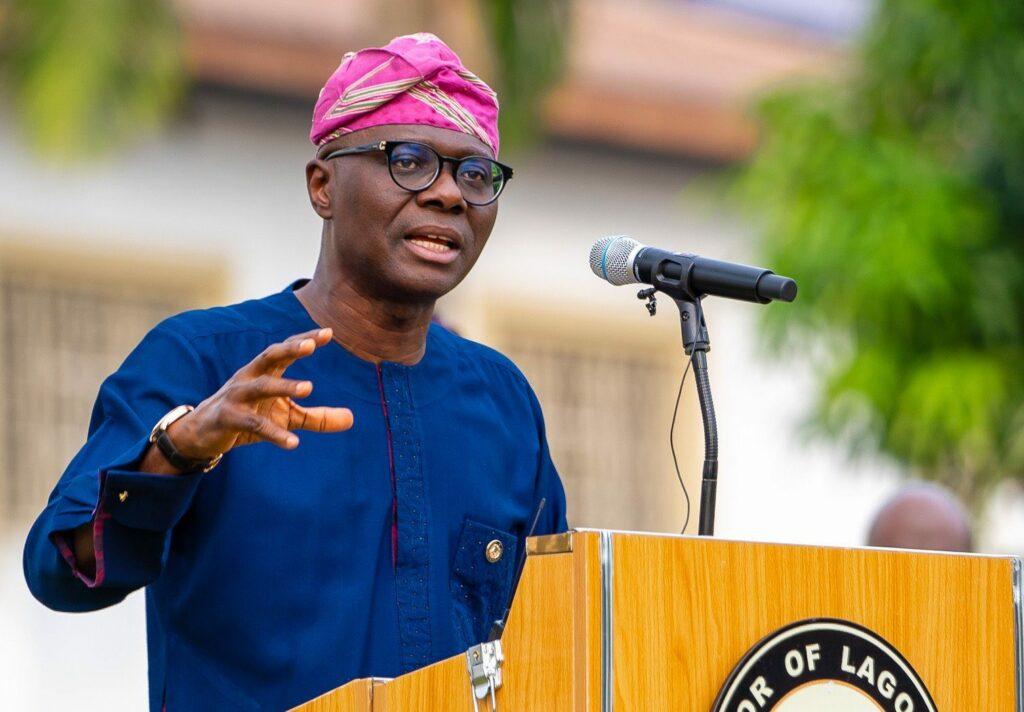
Lagos State Governor, Babajide Sanwo-Olu, has approved a ₦50,000 relief package for workers across the state as part of efforts to ease the burden of rising economic hardship.
The governor made the announcement during the 2026 Workers’ Day celebration held at the Mobolaji Johnson Arena in Lagos, with the theme, “Insecurity and Poverty: Bane of Decent Work.”
Represented by his deputy, Dr. Obafemi Hamzat, Sanwo-Olu said the additional payment would be included in workers’ salaries for the month of May and may be reviewed in the coming months depending on prevailing conditions.
He explained that the intervention reflects the government’s commitment to supporting workers across all sectors, acknowledging the critical role played by teachers, healthcare workers, artisans, and civil servants in the development of Lagos State.
According to him, the strength and growth of Lagos depend heavily on the dedication and sacrifices of its workforce.
“For this May, there will be an additional ₦50,000 for every worker in Lagos State, across board, irrespective of grade,” he said.
Sanwo-Olu also acknowledged the economic difficulties facing Nigerians, including inflation and global energy-related challenges, noting that government must continue to provide practical support for workers.
He reaffirmed his administration’s dedication to improving workers’ welfare, strengthening public service delivery, and completing key infrastructure projects across the state.
The governor said his administration remains committed to dialogue with organised labour, stressing that continuous engagement with labour unions is necessary to maintain industrial peace and productivity.
On security, he described safety as a major requirement for productivity, adding that the state government has continued to invest in security infrastructure, surveillance systems, and community policing to create a safer environment for residents and workers.
Sanwo-Olu further assured that his government would focus on completing major projects before the end of its tenure, including transportation infrastructure, housing schemes, and pension obligations.
He added that the success of his administration would be judged not by promises, but by visible achievements and lasting reforms.