
By Editor
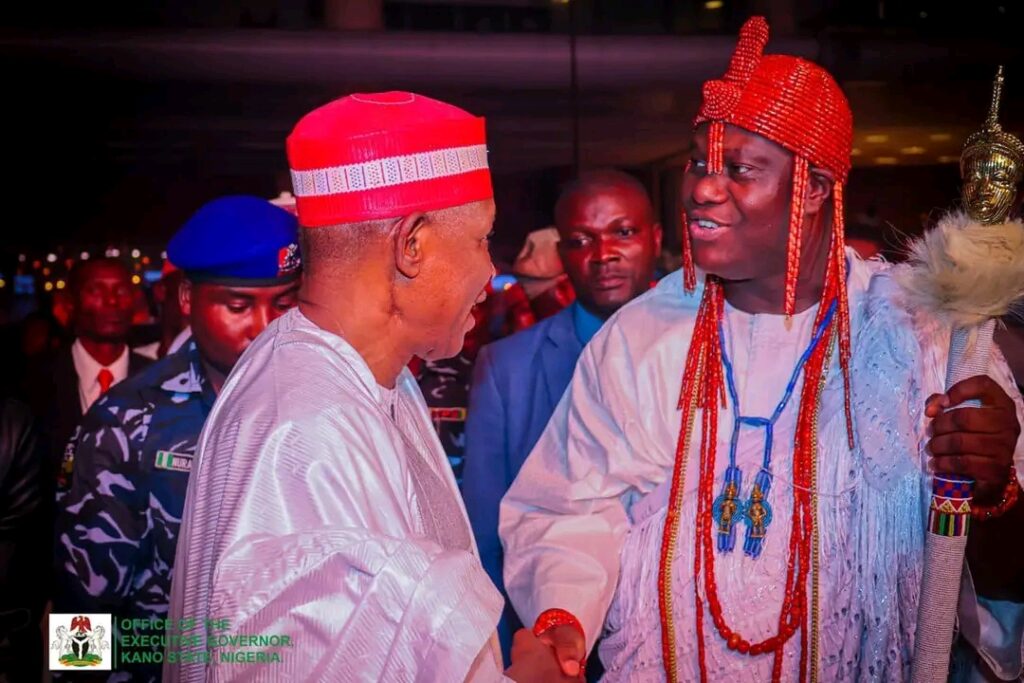
When leaders extend their hands across cultural and regional lines, they do more than exchange pleasantries they send a message. A handshake between Governor Abba Kabir Yusuf and traditional leaders from other regions symbolizes the inclusive spirit that Kano needs within its own borders. It reflects a commitment to trust, dialogue, and shared prosperity principles that form the foundation of sustainable development.
Kano State has long stood as one of Nigeria’s most historic and commercially vibrant states. Its legacy as a center of trade, culture, and scholarship places it in a unique position within the federation. Over the years, the state has attracted people from different ethnic and religious backgrounds who contribute meaningfully to its economic strength and social fabric.
Under the leadership of His Excellency, Engr. Abba Kabir Yusuf, there have been deliberate efforts to promote peaceful coexistence, strengthen community relations, and foster inclusive governance. These efforts deserve recognition. Stability and mutual respect remain the foundation upon which meaningful development is built.
Yet beyond commendation lies a deeper conversation about the role of citizens themselves in complementing government efforts. Sustainable coexistence grows when people actively participate in it respecting one another, embracing diversity, and fostering economic collaboration across communities.
Kano is vast in landmass and rich in opportunity. Yet, much of its commercial concentration and settlement patterns remain centered around the metropolis. Areas such as Sabon Gari, Badawa, and more recently Jaba have become dominant hubs for inter-tribal settlement and commercial activity. This concentration has naturally increased pressure on infrastructure, raised the cost of housing and shops, and limited balanced expansion across the wider state.
Before now, fear of ethno-religious conflict shaped settlement patterns. Many members of the inter-tribe community were discouraged from settling in other areas, while some places of worship were displaced, lands were reportedly contested, and construction of religious or community centers was restricted. These realities whether experienced directly or as collective memory have made residents hesitant to expand into other parts of the state.
Balanced development requires that confidence replace fear. Just as cross-regional engagement builds national trust, internal harmony within Kano encourages citizens to explore, invest, and grow beyond established enclaves. Expansion into other parts of the state would decongest the metropolis, stimulate economic activity in emerging areas, create new commercial clusters, and generate employment opportunities, all while deepening social integration.
The responsibility is collective. The government must continue to guarantee security, fairness, and equal protection under the law. Citizens, meanwhile, must embrace openness, dialogue, and trust-building across ethnic and religious lines. True coexistence transforms from a social ideal into an economic strategy: peace attracts investment, inclusion expands markets, and trust strengthens institutions.
Kano has the capacity to become not only a symbol of northern commerce but also a national example of harmonious diversity and inclusive development. With deliberate effort from both leadership and the people, fear can give way to confidence, concentration can give way to expansion, and every resident will feel secure enough to live, worship, invest, and grow anywhere within the state.
Nworisa Michael is the founder & coordinator, Inter-tribe Community Support Forum. Writes from nworisamichael1917@gmail.com