
By Nworisa Michael
A Delta State High Court has issued a major legal ruling restraining the Nigeria Police Force from enforcing the controversial tinted glass permit policy across the country ahead of its scheduled implementation in January 2026.
The interim order, granted on Wednesday by Justice Joe Egwu of the High Court sitting in Orerokpe, follows a legal action filed by a private citizen challenging the legality of the planned enforcement of the policy. The court granted an ex parte injunction that bars the Inspector General of Police, the Nigeria Police Force and the Delta State Commissioner of Police from implementing or enforcing the policy while the substantive suit is being heard and determined.

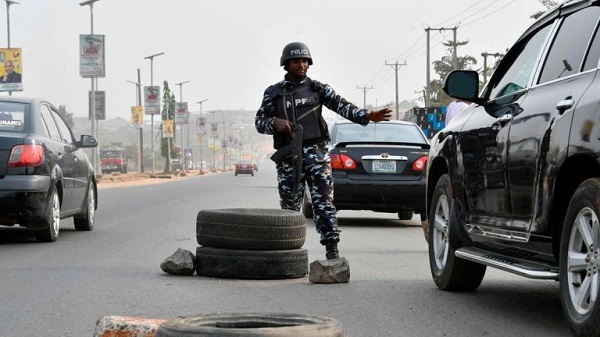
In the ruling, the judge also prohibited police officers and their agents from stopping, harassing, arresting, detaining or extorting motorists and other citizens on the pretext of enforcing the tinted glass permit policy. This judgement effectively halts earlier plans by the Nigeria Police Force to resume nationwide enforcement of the tinted glass regulations from January 2, 2026.

The suit was brought by Israel Joe, who argued that the enforcement of the policy could interfere with constitutional rights including dignity, privacy, freedom of movement and ownership of property. His case was represented in court by a team of legal professionals led by a senior advocate.
The injunction remains in effect pending the hearing and determination of the substantive application before the court. As part of the orders, the court has also restrained the police from using an account belonging to a private contractor for the administration of the policy, declaring that such conduct must be halted until the matter is resolved.
Since its introduction by the Nigeria Police earlier this year, the tinted glass permit policy has been highly controversial, drawing public criticism and legal challenges. The policy requires vehicle owners to obtain annual permits for tinted windows and was postponed several times after reports emerged of alleged harassment and extortion linked to enforcement efforts.
The Nigerian Bar Association and other civil rights groups have raised legal and constitutional concerns about the policy, arguing that it could lead to abuses of authority and unnecessary financial burdens on motorists.
In response to public debate, the Nigeria Police Force had previously announced its intention to resume enforcement, citing rising security risks and the need to regulate improperly tinted vehicles. However, the recent court order places that plan on hold and underscores the ongoing legal scrutiny the policy faces.
The outcome of the substantive case will likely have significant implications for how vehicle regulations are enforced in Nigeria, particularly on issues that intersect with civil liberties, policing powers and the boundaries of regulatory authority.