
By Nworisa Michael
Nigeria’s immediate past Chief of Defence Staff and minister-designate, General Christopher Musa (rtd), has revealed that ransom payments made to terrorists can actually be traced, but Nigeria’s fractured identity systems make it almost impossible to link transactions to the real criminals behind them.
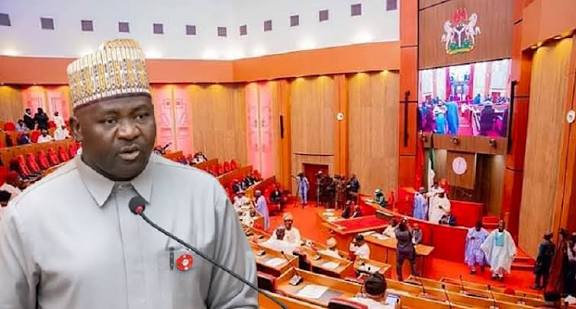
Speaking during his ministerial screening at the Senate on Tuesday, Musa said insecurity continues to flourish largely because the country lacks a unified national database that connects all identity, banking and security information. He described the current system where immigration, quarantine services and several other agencies operate isolated data platforms as “an invitation to chaos,” adding that criminals exploit these gaps effortlessly.
According to him, Nigeria’s banking network already has the capacity to monitor ransom movements and suspicious financial flows, but without a single, reliable national identity backbone, tracing the individuals behind those payments becomes a dead end. He noted that other countries instantly disable accounts and digital access for offenders because their systems are connected. Nigeria, he warned, must urgently get to that point.
Musa also rejected the growing trend of communities negotiating with terrorists, insisting that ransom payments only empower criminals to regroup, re-arm and unleash fresh attacks. He stressed that the government must maintain a firm stance that “there is no negotiation with any criminal.”
Beyond technical reforms, Musa explained that military operations alone cannot solve Nigeria’s security crisis. He estimated that the military contributes only 25 to 30 per cent of the total effort required, while poverty, weak local governance, slow justice processes and the absence of grassroots intelligence continue to feed criminal networks. He criticised the long delays in prosecuting kidnapping and terrorism cases, stating that sluggish court processes demoralise security personnel who risk their lives to apprehend suspects.
The minister-designate raised fresh concerns over renewed criminal activities along the maritime corridor linking Akwa Ibom to Cameroon, where piracy and coastal kidnappings are resurfacing. He also identified illegal mining as a major financing stream for armed groups and called for an outright national ban.
Musa further disclosed plans to reduce military checkpoints nationwide so troops can be deployed into forests and other ungoverned territories for more impactful operations. Restoring access to farmlands, he said, must remain a top priority because food security is inseparable from national security. “A hungry man is an angry man,” he reminded lawmakers.