
By Editor
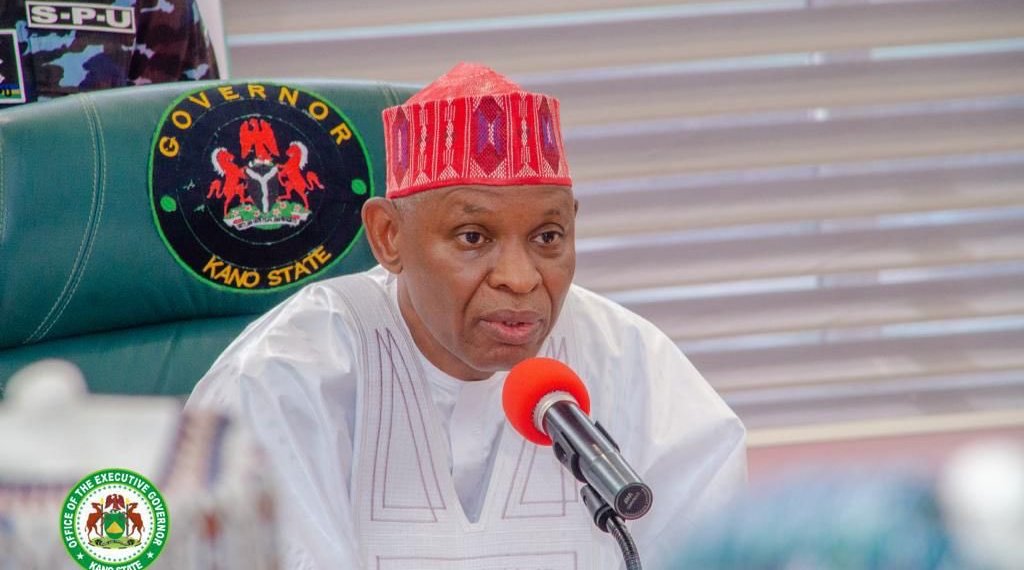
Politics, at its best, is not about emotions, slogans, or permanent loyalties to party symbols; it is about results, strategy, and the welfare of the people. This reality has come sharply into focus following Governor Abba Kabir Yusuf’s decision to defect to the All Progressives Congress (APC), a move that has unsettled many loyal members of the Kwankwasiyya movement who view the defection as a betrayal.
The reaction is understandable. Kwankwasiyya is more than a political movement it is an identity, a struggle, and a legacy. For many, it represents years of resistance, mobilisation, and sacrifice. But politics is also dynamic, not static. Movements survive not only on passion, but on adaptation.
One truth that must be confronted honestly is this: Governor Abba Kabir Yusuf has delivered in governance. Even his fiercest critics would struggle to deny the visible interventions in education, infrastructure, public sector reforms, and social welfare across Kano State. Governance, not party colour, is what places food on tables, restores dignity to institutions, and opens doors to opportunity.
Ironically, the same political history many now invoke against Abba Yusuf offers a lesson in pragmatism. Senator Rabiu Musa Kwankwaso widely respected, deeply loved, and politically influential has not remained within one party throughout his career. His movement survived because he consistently sought political vehicles capable of carrying his vision. Popularity alone does not keep a leader relevant; power without structure delivers nothing.
Governor Abba Yusuf is no longer a political understudy. He is now the principal actor, constitutionally responsible for the future of Kano State. It would be unreasonable and even unfair to expect him to govern with emotional restraint rather than strategic clarity.
Yes, he once spoke strongly about how the APC treated Kano and himself in the past. Those grievances were real. But governance is not therapy it is decision-making in the present, not dwelling permanently in the past. What matters now is not yesterday’s injuries but today’s opportunities for Kano.
Within less than 48 hours of his defection, the Federal Government announced a multibillion-naira metropolitan rail project for Kano. Regardless of political interpretations, this development exposes an uncomfortable reality of Nigerian politics: federal power often operates through pressure, exclusion, and reward. Opposition states are frequently starved until alignment occurs. While this may be morally questionable, it is politically factual.
The question Kano people must ask is simple: Should the state suffer to prove political purity, or should it secure development for its people?
Supporting Governor Abba Yusuf today is not an endorsement of party supremacy; it is an endorsement of Kano’s progress. Criticism is healthy, dissent is democratic, but abandonment of a performing leader purely on party grounds risks replacing substance with sentiment.
History will not judge Kano by how loyal it was to a movement, but by how wisely it navigated power to improve lives.
At this moment, the call should not be for withdrawal of support, but for continued vigilance, accountability, and constructive engagement ensuring that Governor Abba Yusuf uses his new political position to negotiate aggressively for Kano’s development.
In politics, vehicles change. Purpose must not.
Nworisa Michael is a Kano based Author, Activist, Coordinator, Inter-tribe Community Support Forum. Writes via nworisamichael1917@gmail.com
( This opinion is written from a governance and development perspective, independent of party loyalty)